
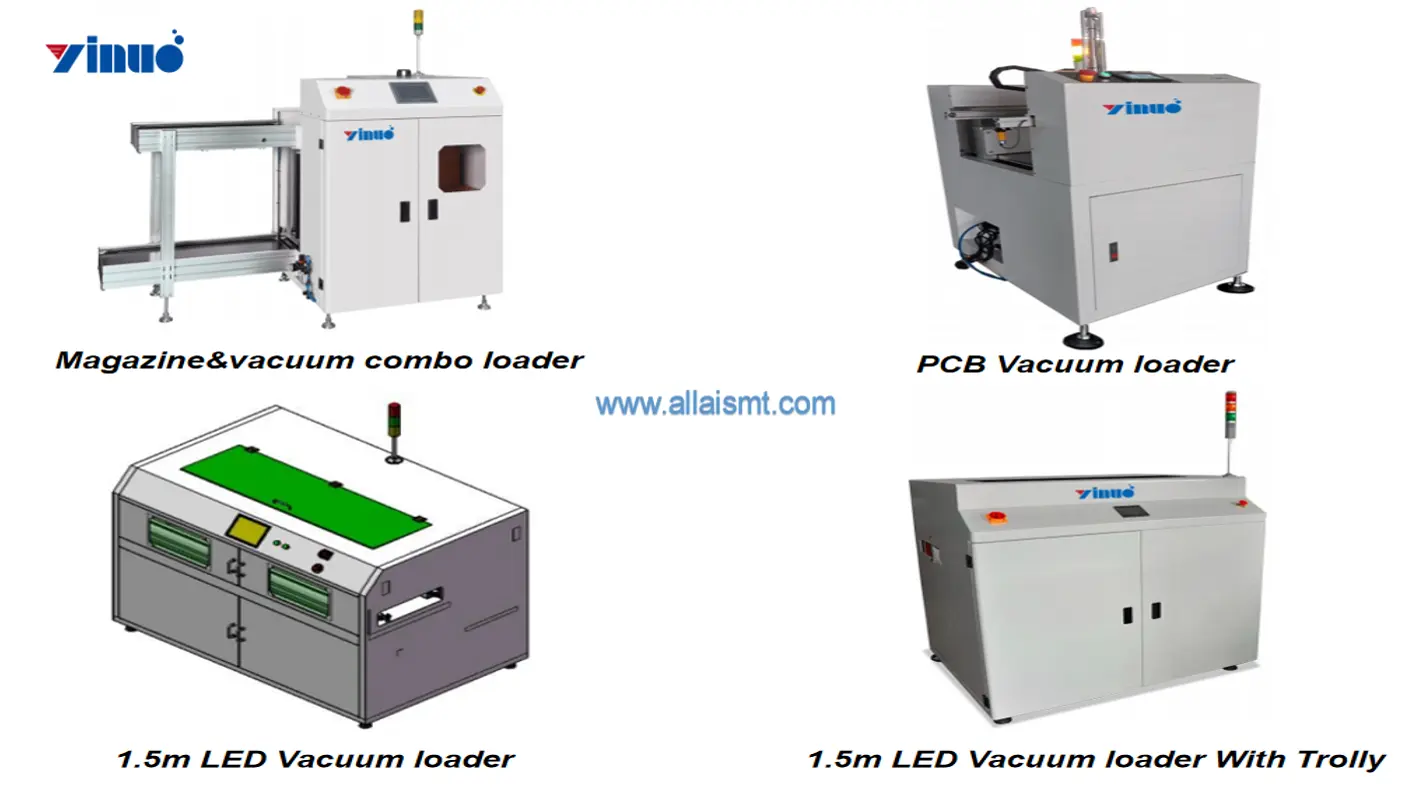
For decades, vacuum loaders have optimized material transfer across industries, yet traditional and modern models differ vastly. Traditional ones suffer from high energy use (fixed-power motors), poor versatility (clogging with sticky/abrasive materials), and cumbersome maintenance. Modern vacuum loaders, however, feature energy-saving variable-frequency motors, modular designs for diverse materials, and diagnostic systems. With corrosion-resistant materials, they offer longer life, lower costs, and wider adaptability, outperforming traditional models eco-friendly and cost-effectively.
The comparision between traditional vacuum loaders and modern vacuum loaders:
| Comparison Dimensions | Traditional Vacuum Loaders | Modern Vacuum Loaders |
|---|---|---|
| Maintenance & Fault Detection | The structure is relatively rigid, and component wear is not easy to be found. Faults can only be detected after equipment shutdown, and the disassembly and maintenance process is cumbersome, resulting in long production downtime. | Built – in intelligent diagnostic sensors can monitor the wear of key components in real time and send early warning signals. The modular design facilitates quick disassembly and replacement of parts, which shortens the maintenance time by more than 60%. |
| Service Life | Most of them are made of common metal materials, which are easy to corrode and wear when contacting corrosive or abrasive materials, and the average service life is 3 – 5 years. | Adopt corrosion – resistant, high – wear – resistant special materials (such as engineering plastics, alloy steel). The overall structure is optimized to resist material erosion, and the average service life can reach 8 – 12 years. |
| Production Collaboration | It is an independent equipment that cannot be connected with other production equipment. It needs manual coordination to complete the material transfer link, which affects the overall production efficiency. | It can be connected with mixers, extruders, storage bins and other equipment in the production line. It realizes automatic material transfer and continuous production, which effectively improves the overall operation efficiency of the production line. |
| Operational Threshold | It requires professional operators to be familiar with material characteristics and equipment operation skills. Misoperation is easy to cause equipment failure or material waste. | The operation interface is simple and intuitive, with automatic operation procedures. Ordinary employees can get started after simple training, which greatly reduces the dependence on professional operators. |
-
The Magazine&vacuum combo loader
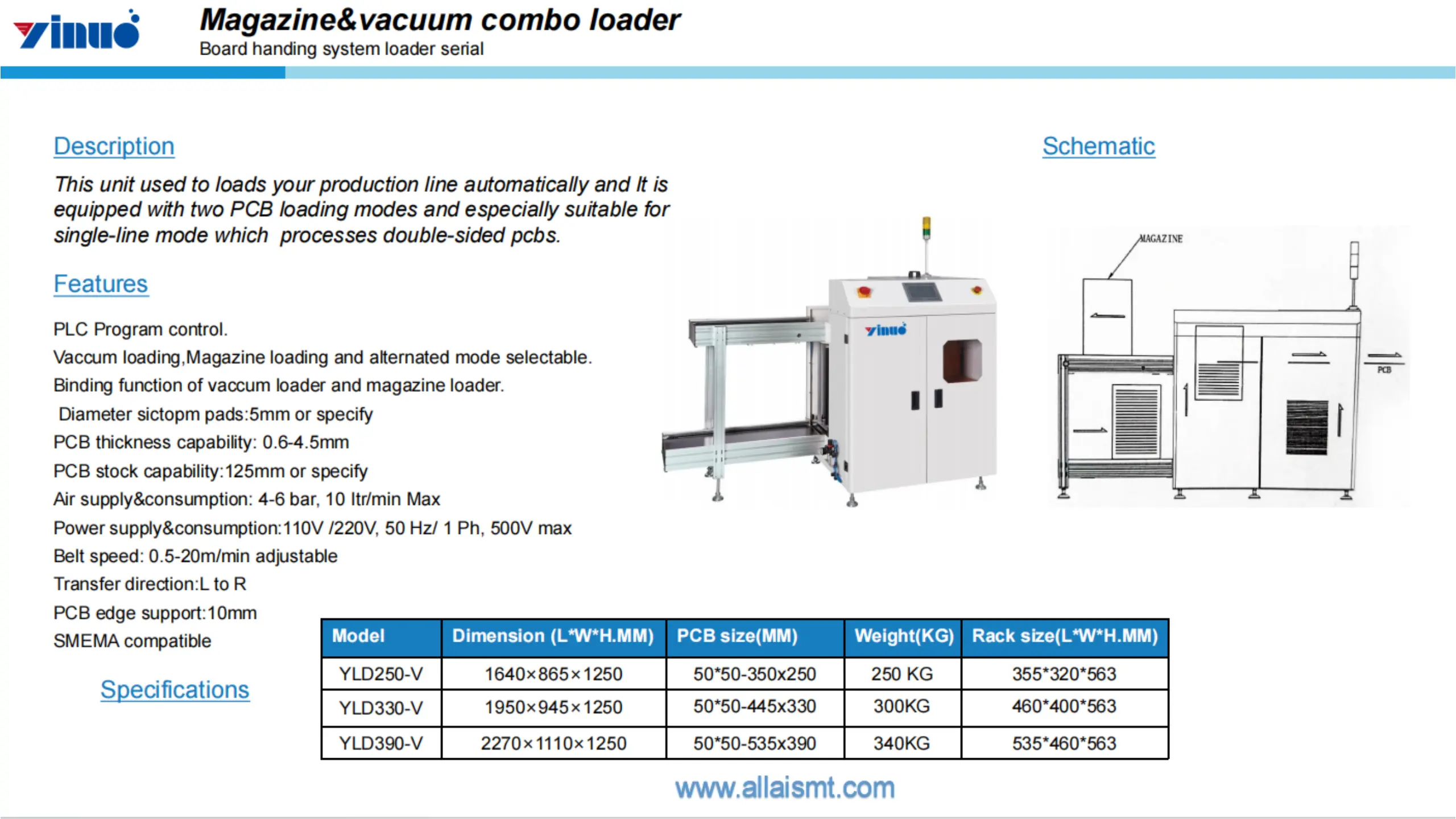
4 Types of Vacuum Loaders
-
The PCB Vacuum loader
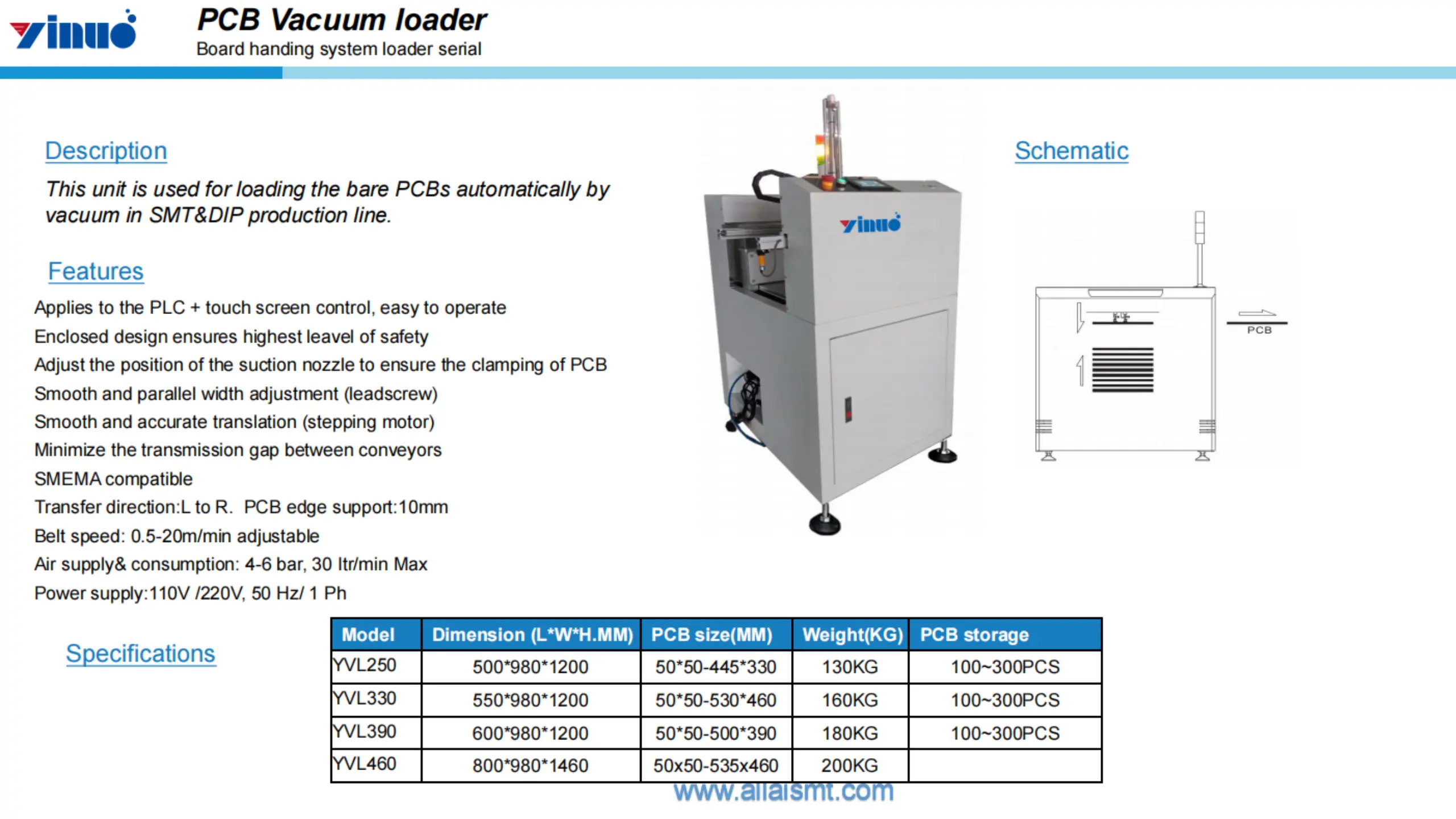
4 Types of Vacuum Loaders
-
The 1.5m LED Vacuum loader
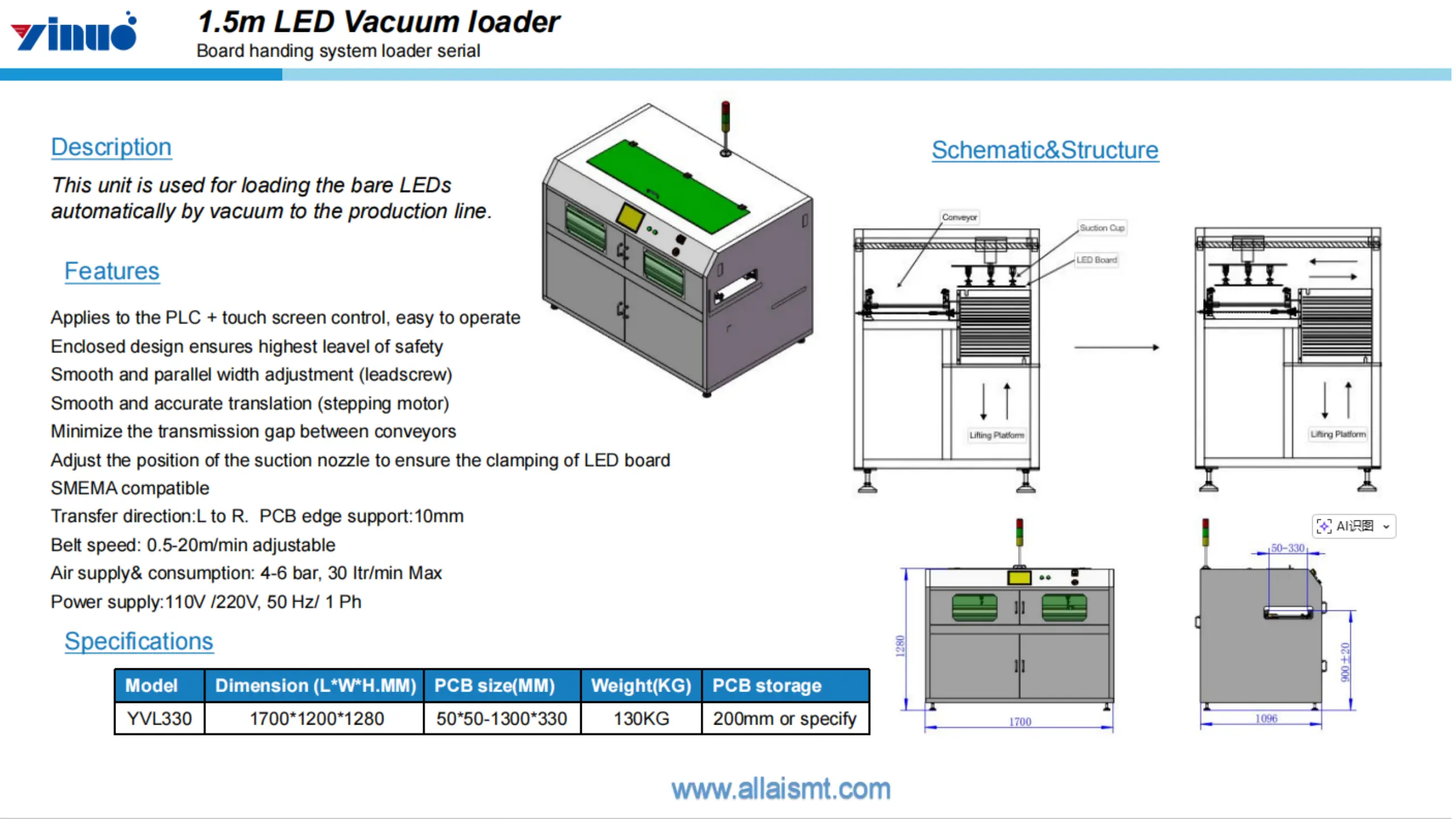
4 Types of Vacuum Loaders
-
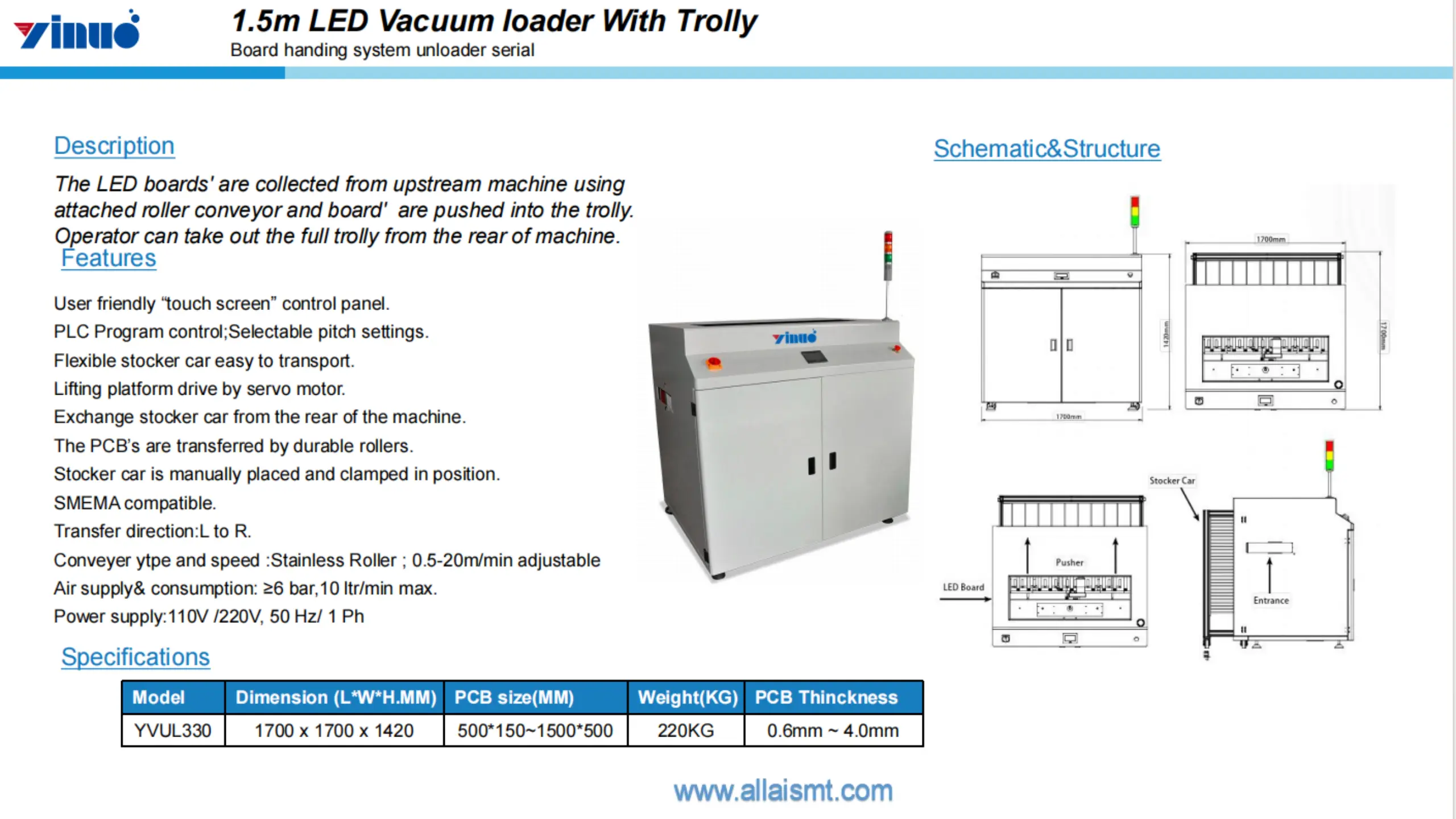
The 1.5m LED Vacuum loader With Trolly
4 Types of Vacuum Loaders
Conclusion
Beyond fixing traditional vacuum loaders’ flaws, modern ones drive innovation in material conveying. Their intelligent controls, energy-saving setups and durable materials redefine reliability and efficiency. They not only solve issues like high energy use and frequent clogging but also lay a foundation for smart factory operations, proving to be a pivotal tech upgrade that propels industries toward higher productivity and stability.
https://www.youtube.com/@allaismt
For more information about these vacuum loaders, please send an email to
We will respond to your inquiry promptly and provide you with detailed information about our products and services.