
Giới thiệu
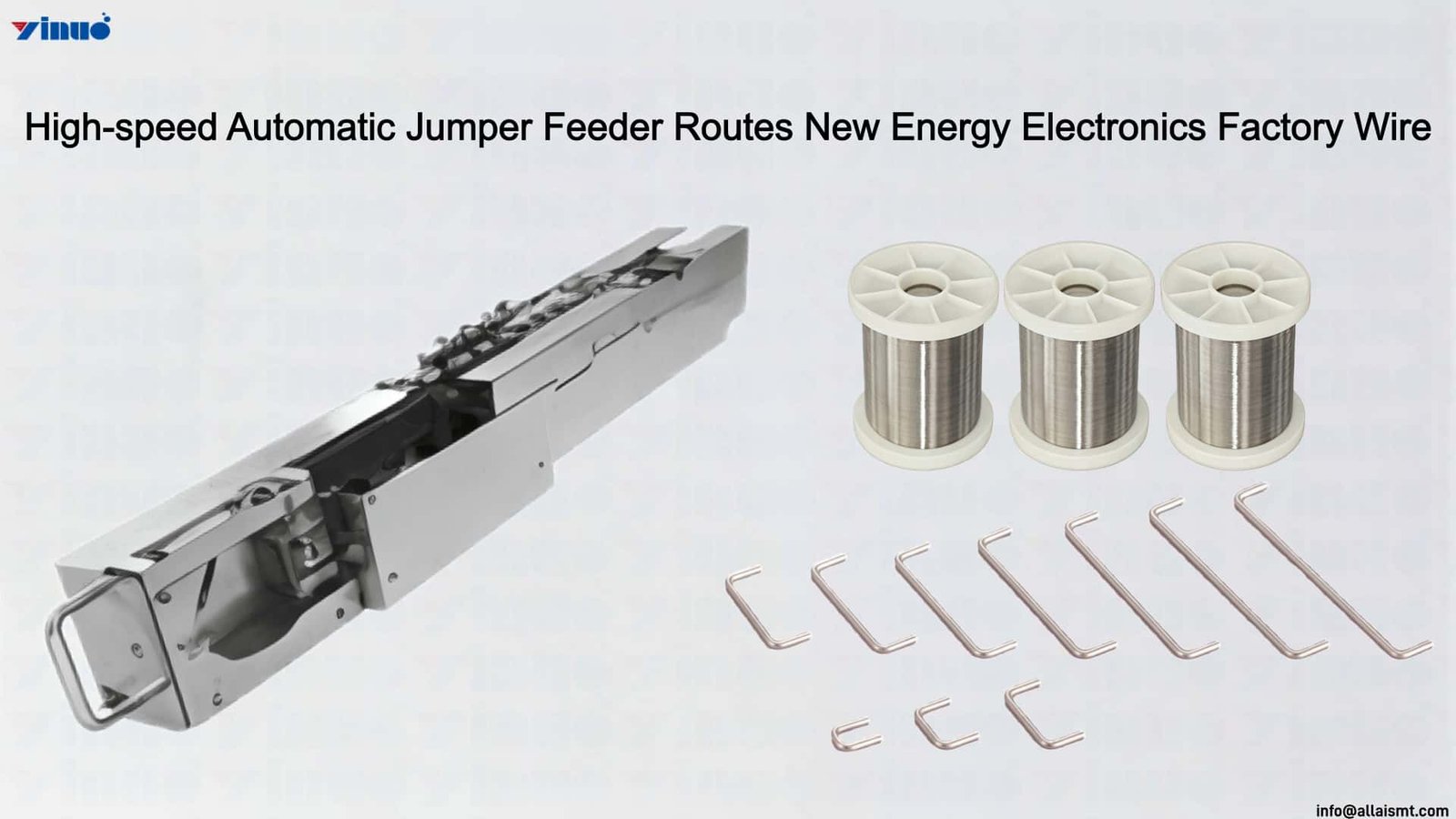
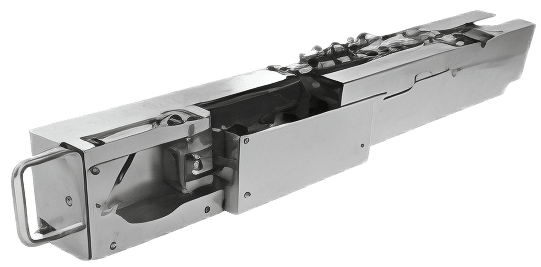
Cái Automatic Jumper Feeder is engineered around a motorized spool-drive system that pays out fine-gauge jumper wire from a reel directly into a precision feeding channel, eliminating the need for carrier tape entirely. A torque-controlled unwind motor maintains constant back-tension on the wire spool, preventing loose loops and snarls that plague passive spool holders while ensuring the wire enters the feed track with uniform linear tension from the first meter to the last. The wire travels through a dual-roller straightening assembly that counteracts the natural coil memory imparted by the reel, presenting a straightened segment at the pickup window so the placement nozzle can grip a flat, untwisted length rather than a curved arc.
At the delivery stage, a servo-driven cutter module shears the wire to a programmable length with clean, burr-free ends, then advances the cut segment into a vacuum-assisted pickup pocket. The cutter blade geometry is optimized for soft-copper and tinned-copper jumper alloys, producing a perpendicular cut that prevents stubbing or partial-severing issues that can jam downstream mechanisms. A wire-breakage sensor positioned between the spool and the straightener halts the feed sequence instantly if the reel runs out or the wire snaps, sending a digital fault signal to the placement machine before an empty pickup attempt occurs.
These design choices translate directly into production reliability. The feeder turns what was traditionally a manual operation — cutting jumper wires to length and positioning them for pickup — into a fully automated sequence synchronized to the placement head’s cycle time. Wire length is held within tight tolerance from piece to piece, eliminating the variability of hand-cut jumpers. And because the system handles the full diameter range of standard jumper gauges without mechanical tooling changes, a single feeder unit covers the majority of wire-jumper applications on a typical SMT line.
Automatic Jumper Feeder
Automatic Jumper Feeder for BMS and Inverter Module Assembly in New Energy Manufacturing
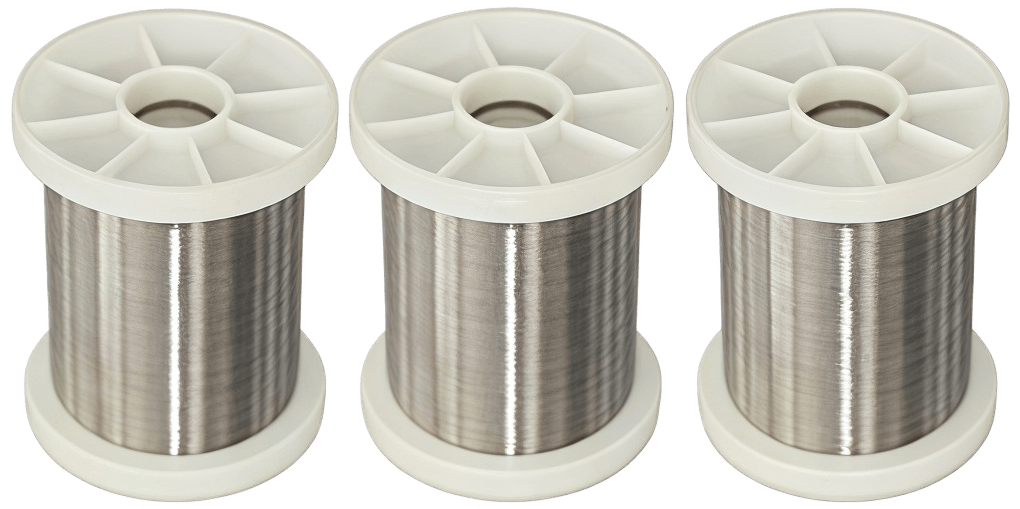
Cái Automatic Jumper Feeder processes reel-fed jumper wire through an integrated unwind-straighten-cut-place sequence where every stage is actively controlled rather than passively guided. A programmable spool drive with torque feedback monitors and adjusts unwind force continuously, compensating for the decreasing spool diameter as wire is consumed and the corresponding change in rotational inertia. The wire feeds into a linear track equipped with tension-sensing pinch rollers that detect subtle variations in conductor surface friction and adjust grip pressure in response, preventing the slip that produces length errors on the finished jumper while avoiding the excessive clamping that mars the wire surface.
The cutting and delivery end of the feeder is purpose-built for the conductor types and end-use requirements specific to new energy electronics. The shear mechanism uses a double-acting blade set driven by a dedicated servo actuator controlling cutting speed and blade-dwell time, producing a perpendicular cut face with minimal burr formation on the copper alloys preferred for power-handling jumpers. After cutting, the jumper transfers into a pickup nest with a precision-machined channel that positions the wire segment for nozzle pickup — no reliance on gravity alone, no possibility of the jumper rolling out of alignment. An optical confirmation sensor at the nest verifies jumper presence and orientation, preventing pickup attempts on an empty or mispositioned nest.
The product advantage in new energy manufacturing is straightforward: the feeder replaces manual wire cutting and placement with a repeatable, synchronized process that produces jumpers of identical length and end quality at machine speed. Where BMS boards, inverter modules, and power distribution assemblies demand jumpers capable of carrying significant current, the Automatic Jumper Feeder supplies them from bulk stock without intermediate packaging steps. It eliminates the scrap generated by hand-cut length variations, reduces the handling contamination that degrades solder wetting on thick conductors, and turns what is often the last manual bottleneck on a high-power electronics line into an automated, self-regulating supply station.

Thông số kỹ thuật
| Người mẫu | YN-J2303 | Ghi chú |
| Kích thước (Dài × Rộng × Cao) | 624×78×160mm | |
| Cân nặng | 6.5KG | |
| Operating Voltage | DC 24V | |
| Yêu cầu về nguồn cung cấp khí | None | |
| Dòng điện tối đa | 2.5A | |
| Feed Speed | 1.5s/Pcs | |
| Bảng điều khiển hoạt động | 0.96″ TFT Color Screen Resolution: 80×160 pixels |
|
| Changeover Time | 3min | |
| Kênh | Một kênh | |
| Chức năng uốn chì | Bending | |
| Chức năng trước khi nâng | Pre-lift available | |
| Hàm cắt | Cut-off | |
| Correction Function | Correction | |
| Material Wire Diameter | 0.4–1mm | Cannot use 0.6mm forming die to form 0.4mm wire; Can only use 0.6mm die for 0.6mm wire |
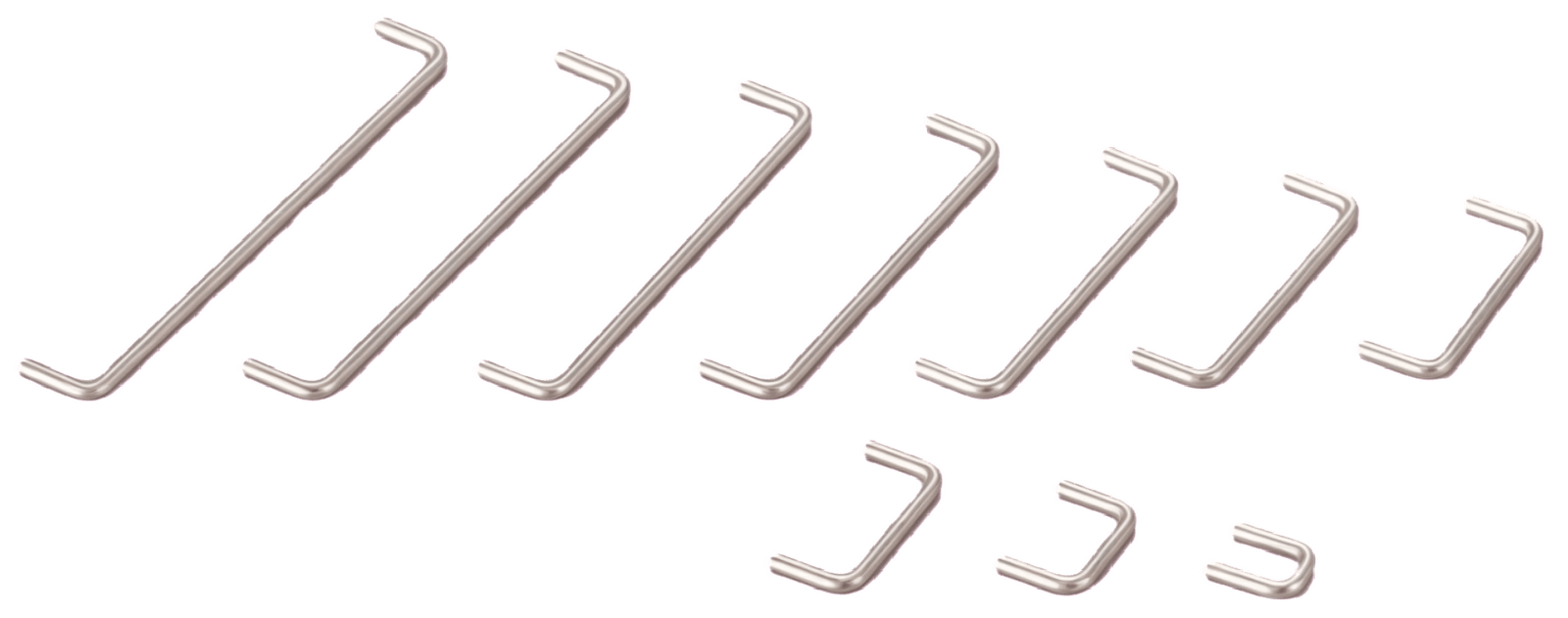
| Track Pitch | 5–26mm (Forming die depends on wire diameter) Cross-shaped die: 3 sizes in one set (large/medium/small) |
Cannot use 16mm forming die for 16mm track pitch; Must use 16mm length die |
| Forming Lead Length | 2.0~5.5mm | Within this range, different lengths can only be achieved by using different forming dies of corresponding sizes. |
https://www.youtube.com/@allaismt
For more information about the Automatic Jumper Feeder, Vui lòng gửi email đến
Chúng tôi sẽ phản hồi yêu cầu của bạn trong thời gian sớm nhất và cung cấp cho bạn thông tin chi tiết về các sản phẩm và dịch vụ của chúng tôi.