導入
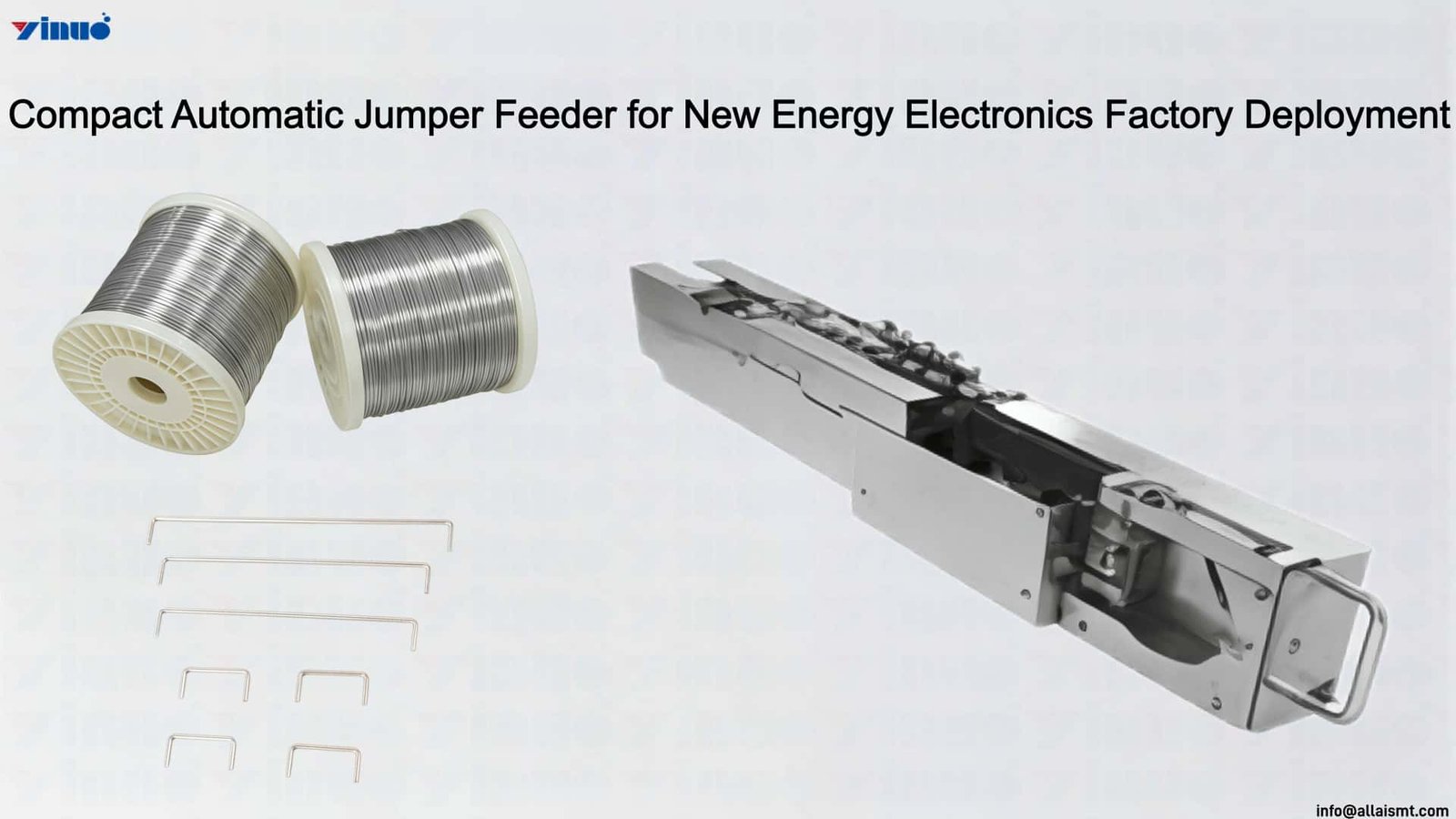
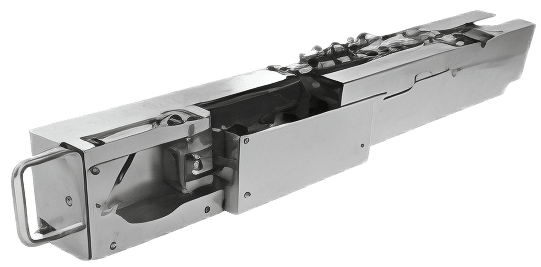
その 自動ジャンパー供給装置 is designed to streamline jumper wire supply within SMT and through-hole assembly lines. At its core, the machine replaces manual wire preparation with a continuous, automated feed cycle. A feeding system draws jumper wire from a bulk source and advances it to a processing station; from there, a positioning mechanism secures the wire at a defined orientation and spacing. This unattended sequence removes the bottleneck of manual wire cutting, stripping, and staging that typically constrains line throughput.
Integration with upstream and downstream equipment is central to the feeder’s operational value. The machine interfaces with insertion platforms via standardized communication protocols, synchronizing its feed cadence with the placement machine’s pickup rhythm. When the downstream system signals demand, the feeder delivers a prepared jumper to the correct position. This handshaking mechanism prevents overproduction, minimizes idle time, and keeps material flow balanced across the assembly line — without requiring operator intervention between cycles.
From a production management standpoint, the Automatic Jumper Feeder reduces two cost centers simultaneously: direct labor and defect rework. Operators previously assigned to manual jumper handling are redeployed to higher-value tasks, while the feeder’s consistent feed-and-position accuracy reduces misplacement rates that lead to rework. The machine’s ability to run continuously across shifts further compounds these gains, allowing manufacturers to maintain steady output volumes without scaling headcount proportionally. The result is a measurable improvement in overall equipment effectiveness within jumper-intensive production environments.
One Feeder, Multiple Board Families: Jumper Insertion in Shared New Energy Production Lines
Electric vehicle charging station electronics integrate power conversion circuitry, communication interfaces, and safety monitoring logic on boards that demand jumper wires to bridge electrically isolated sections. In new energy factories, these boards are often assembled on shared lines alongside energy storage controllers and solar inverter modules. The 自動ジャンパー供給装置 manages jumper insertion across this product diversity through a modular framework: the feeding system accommodates multiple wire gauges, the positioning module recalibrates to varying lead spans and insertion angles, and the control system stores distinct parameter profiles for each board type.
When the production line transitions from one product family to another, operators reconfigure the feeder through the control interface rather than performing mechanical adjustments. This software-driven changeover minimizes the interval between the last board of one variant and the first board of the next, keeping assembly equipment engaged in productive work rather than idle during setup. For factories managing mixed-model schedules across electric vehicle charging, battery management, and solar power products, this rapid reconfiguration capability directly translates into higher line availability and more responsive production scheduling.
Beyond insertion performance, the feeder’s control system records each operational cycle — capturing wire gauge, positioning coordinates, and sequencing information that integrates with the factory’s quality management framework. This traceability links every inserted jumper to a specific board identity, supporting audit requirements and field-failure analysis. In safety-critical applications such as electric vehicle charging infrastructure, where each electrical connection must be verifiable against manufacturing standards, this data capture capability elevates the Automatic Jumper Feeder from a productivity tool to a component of the factory’s quality assurance architecture.
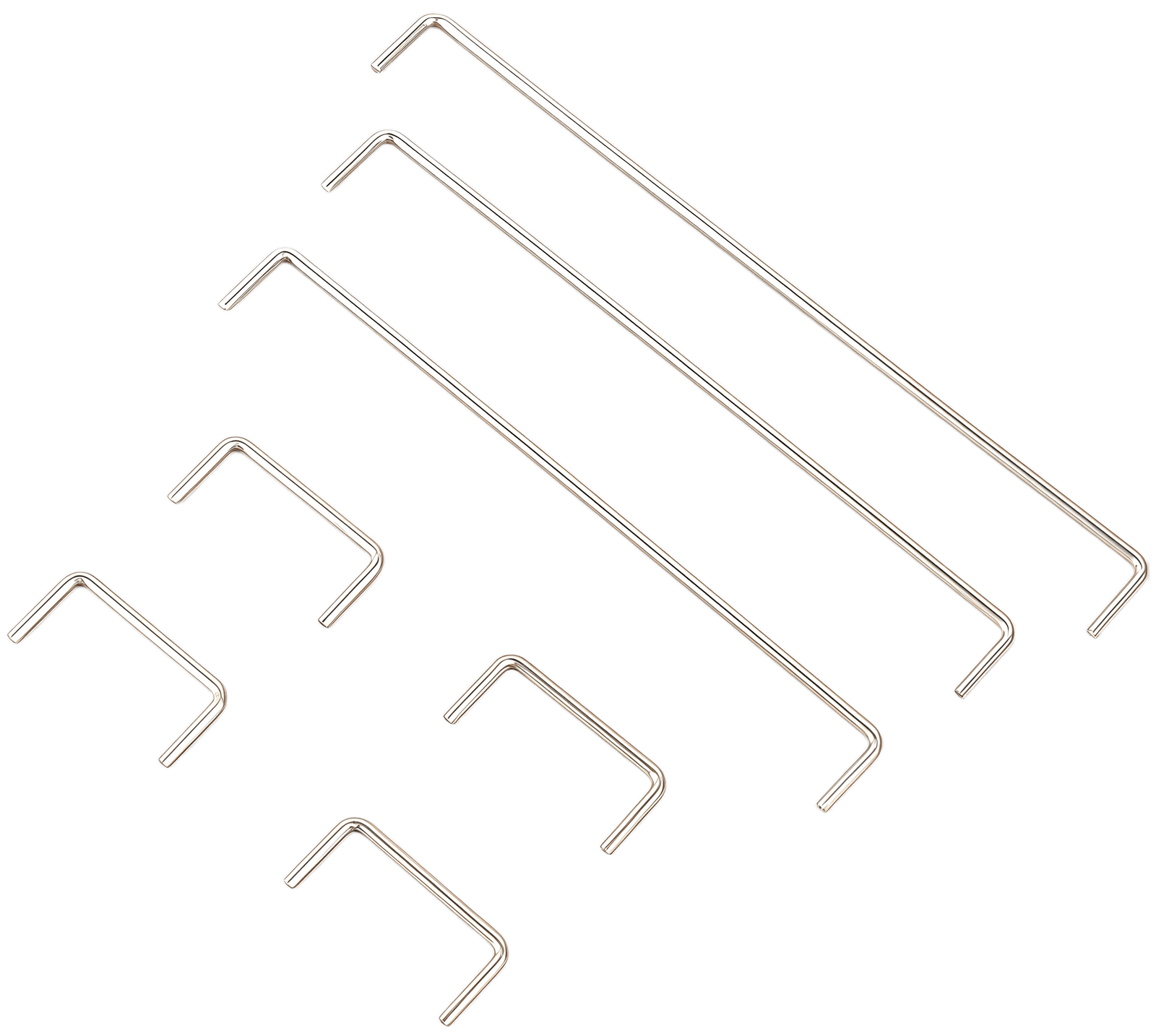
仕様
| モデル | YN-J2303 | 備考 |
| 外形寸法(長さ×幅×高さ) | 624×78×160mm | |
| 重さ | 6.5kg | |
| Operating Voltage | DC 24V | |
| 必要な空気供給量 | None | |
| 最大電流 | 2.5A | |
| Feed Speed | 1.5秒/個 | |
| Operation Panel | 0.96インチのTFT カラー画面の解像度:80×160ピクセル |
|
| 切り替え時間 | 3分 | |
| チャンネル | シングルチャンネル | |
| リード曲げ機能 | 曲げ加工 | |
| リフト前の機能 | リフト前のサービスをご利用いただけます | |
| カットオフ関数 | カットオフ | |
| 補正関数 | 訂正 | |
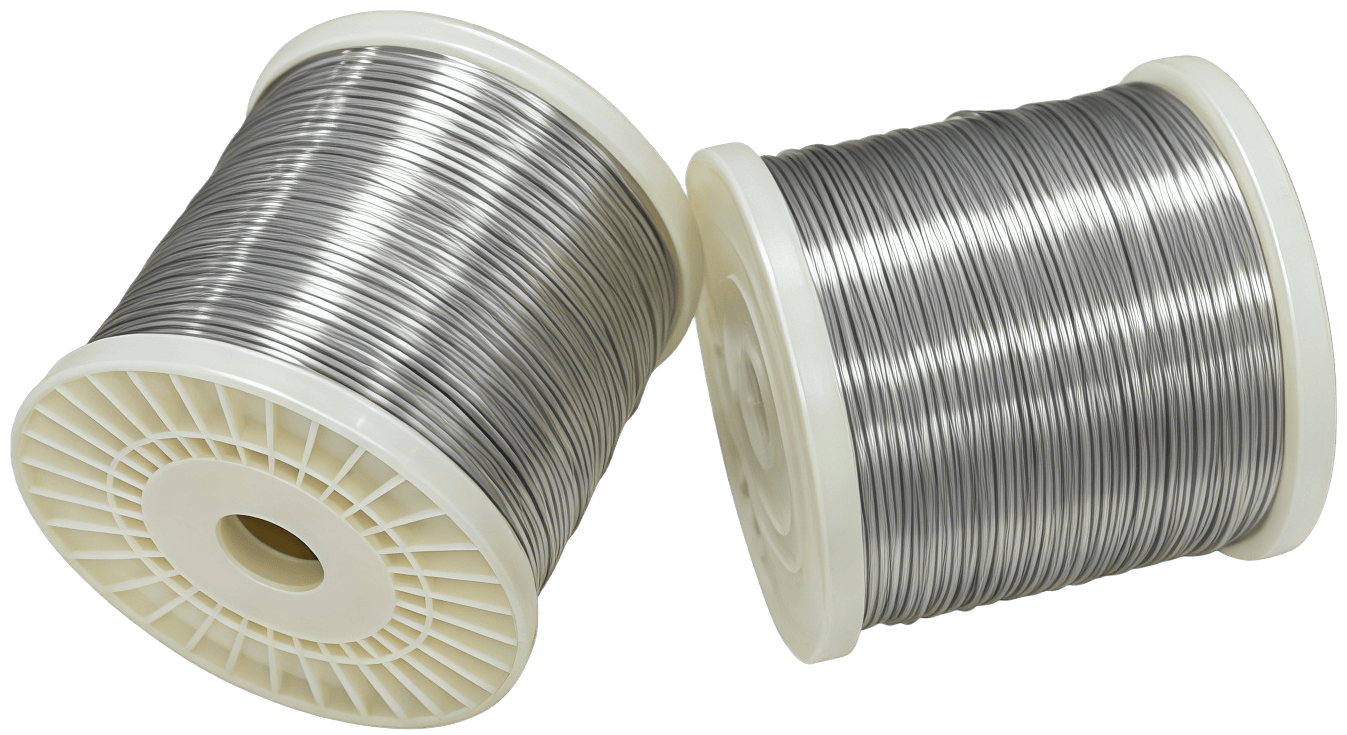
| 材質 線径 | 0.4~1mm | 0.4mmのワイヤを成形するには、0.6mmの成形ダイは使用できません。; 0.6mmのワイヤには、0.6mmのダイのみを使用できます。 |
| 線間距離 | 5~26mm (成形ダイは線径によって異なります) 十字型の型:1セットに3サイズ入り(大・中・小) |
16mmの軌間には、16mmの成形金型は使用できません。; 長さ16mmのダイスを使用する必要があります |
| リード長の形成 | 2.0~5.5mm | この範囲内では、さまざまな長さを実現できるのは 対応するサイズのさまざまな成形金型を使用することで |
https://www.youtube.com/@allaismt
For more information about the 自動ジャンパー供給装置, 、メールをお送りください
お問い合わせには速やかに対応し、弊社製品およびサービスに関する詳しい情報を提供させていただきます。.