Introduzione
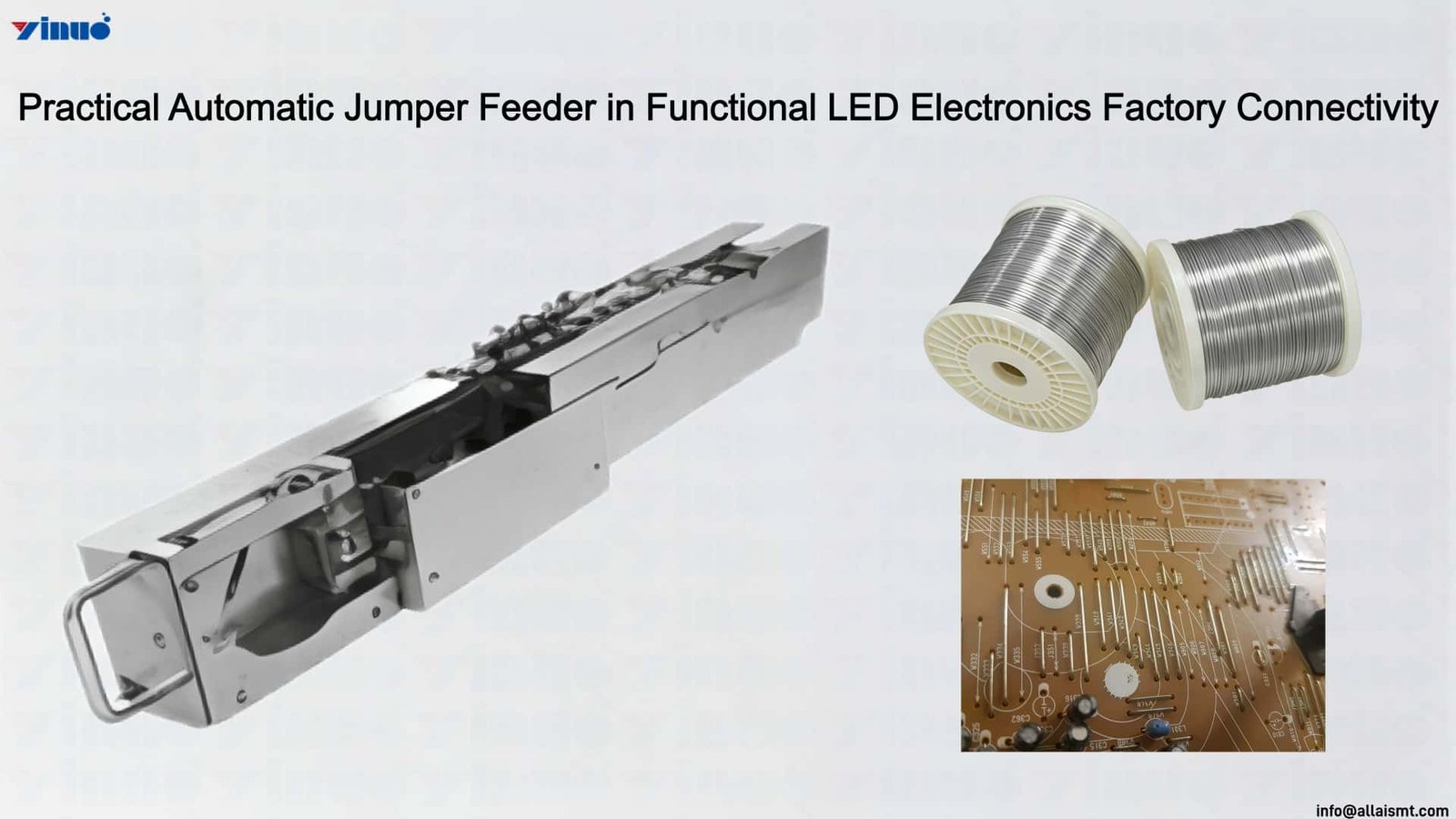
IL Automatic Jumper Feeder accommodates a spectrum of jumper packaging formats — tape, tube, and tray — within a unified feeding architecture. This multi-format compatibility eliminates the need for dedicated feeders per packaging type, consolidating what would otherwise require multiple specialized stations into a single adaptable unit. The feeding system transitions between tape-mounted and tube-mounted jumper supplies through reconfigurable guiding channels and tension control mechanisms, maintaining consistent delivery across format changes.
For tape-mounted jumpers, the feeder’s unwinding and indexing mechanism advances the carrier tape with synchronized precision, ensuring each jumper arrives at the pickup position in the correct orientation. The sprocket engagement and cover tape peeling operate in coordinated sequence, preventing tape distortion or component displacement during advancement. When configured for tube-mounted supply, the system employs a controlled vibration amplitude that orients jumpers within the tube channel, regulating the feed rate to match the downstream placement cycle without inducing component congestion or starvation at the pickup window.
The tray-based configuration introduces a different operational paradigm, where the feeder manages jumper presentation from matrix trays through a pick-and-present mechanism. Across all three formats, the feeder’s adaptive clamping and positioning framework maintains positional accuracy at the pickup interface, regardless of the upstream packaging geometry. This format-agnostic feeding performance ensures that production lines can process diverse jumper specifications without compromising placement precision or introducing format-dependent variability into the assembly sequence.
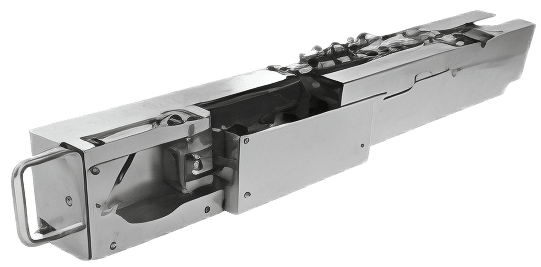
Automatic Jumper Feeder
Modular Jumper Insertion for Diverse LED Product Manufacturing
LED electronics factories increasingly consolidate diverse product families — retrofit bulbs, linear strip modules, panel lights, and smart lighting controllers — onto shared assembly lines to maximize equipment utilization. Each product family presents distinct jumper insertion requirements: bulb driver boards need short jumpers across dense power sections, strip modules require conductors spanning segmented lighting zones, and smart controllers demand jumpers bridging wireless communication domains from power regulation circuitry. The Automatic Jumper Feeder manages this diversity through its multi-format compatibility, accommodating tape-mounted, tube-mounted, and bulk jumper supplies within a single feeding platform that can be reconfigured to match the product under assembly.
When the production line transitions from one LED product family to another, the feeder’s modular framework enables the feeding system, positioning module, and control parameters to be reconfigured independently rather than as a monolithic unit. The feeding system adapts to the incoming jumper packaging format, the positioning module recalibrates to the new lead span and insertion angle, and the control system recalls the stored parameter profile for the target board type. This modular reconfiguration approach minimizes the interval between the last board of the outgoing product and the first board of the incoming product, sustaining line productivity through transition events that would otherwise incur significant idle time.
The feeder’s diagnostic and traceability capabilities further strengthen its role in mixed-model LED production environments. Each operational cycle is recorded with wire gauge, positioning coordinates, and board identity, creating a manufacturing data trail that links every inserted jumper to its specific product and assembly sequence. For LED lighting products subject to safety certifications and field-performance warranties, this traceability ensures that jumper insertion quality can be verified against production standards and correlated with field-failure data — elevating the Automatic Jumper Feeder from an assembly productivity tool to an integral component of the factory’s quality assurance framework across its entire product portfolio.


Specifiche
| Modello | YN-J2303 | Remarks |
| Dimensioni (L×P×A) | 624×78×160mm | |
| Peso | 6.5KG | |
| Operating Voltage | DC 24V | |
| Fornitura d'aria richiesta | None | |
| Corrente massima | 2.5A | |
| Feed Speed | 1.5s/Pcs | |
| Pannello operativo | 0.96″ TFT Color Screen Resolution: 80×160 pixels |
|
| Changeover Time | 3min | |
| Canale | Canale singolo | |
| Funzione di piegatura del piombo | Bending | |
| Funzione pre-sollevamento | Pre-lift available | |
| Funzione di taglio | Cut-off | |
| Correction Function | Correction | |
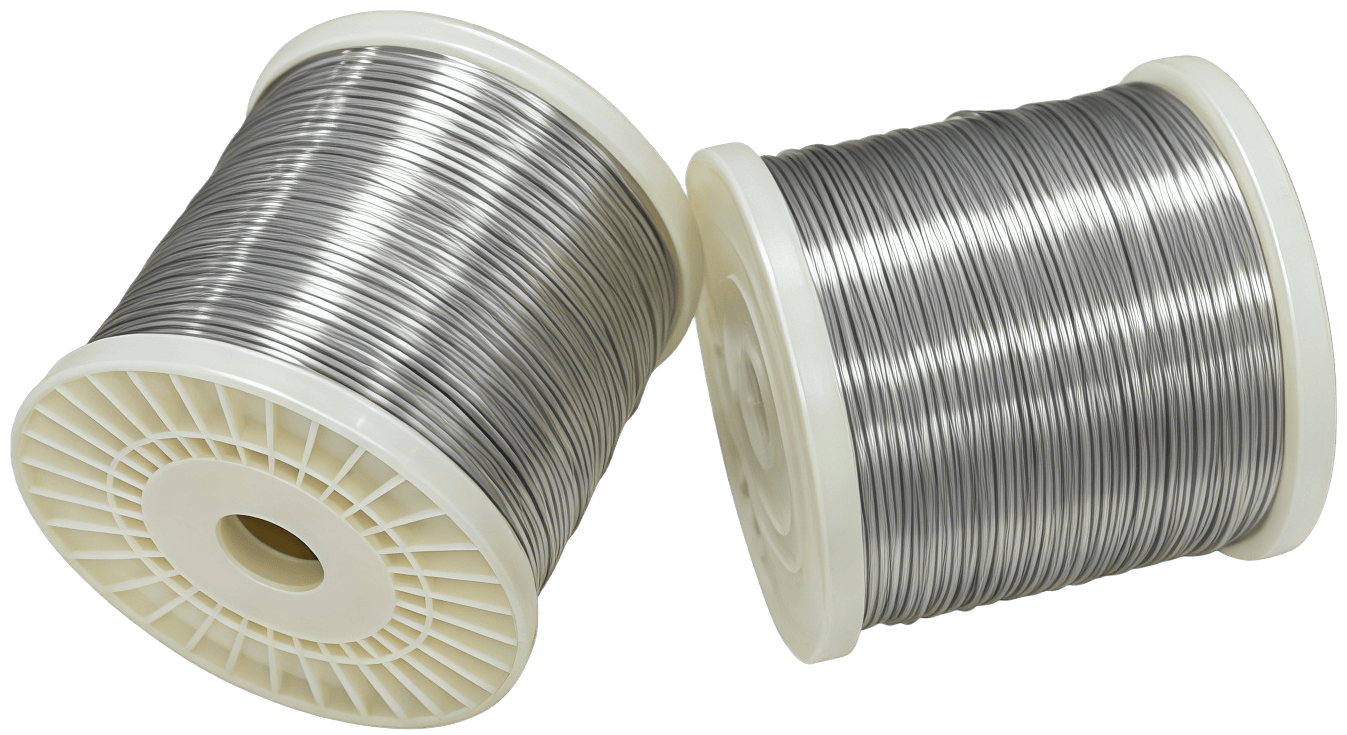
| Material Wire Diameter | 0.4–1mm | Cannot use 0.6mm forming die to form 0.4mm wire; Can only use 0.6mm die for 0.6mm wire |
| Track Pitch | 5–26mm (Forming die depends on wire diameter) Cross-shaped die: 3 sizes in one set (large/medium/small) |
Cannot use 16mm forming die for 16mm track pitch; Must use 16mm length die |
| Forming Lead Length | 2.0~5.5mm | Within this range, different lengths can only be achieved by using different forming dies of corresponding sizes |
https://www.youtube.com/@allaismt
For more information about the Automatic Jumper Feeder, si prega di inviare una e-mail a
Risponderemo tempestivamente alla tua richiesta e ti forniremo informazioni dettagliate sui nostri prodotti e servizi.