مقدمة
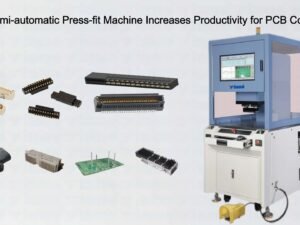
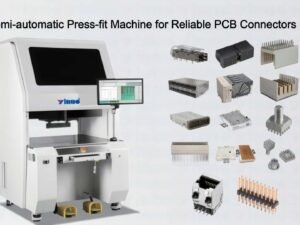
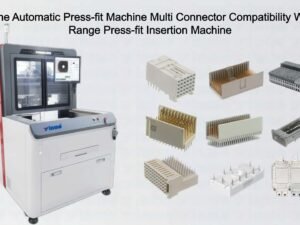
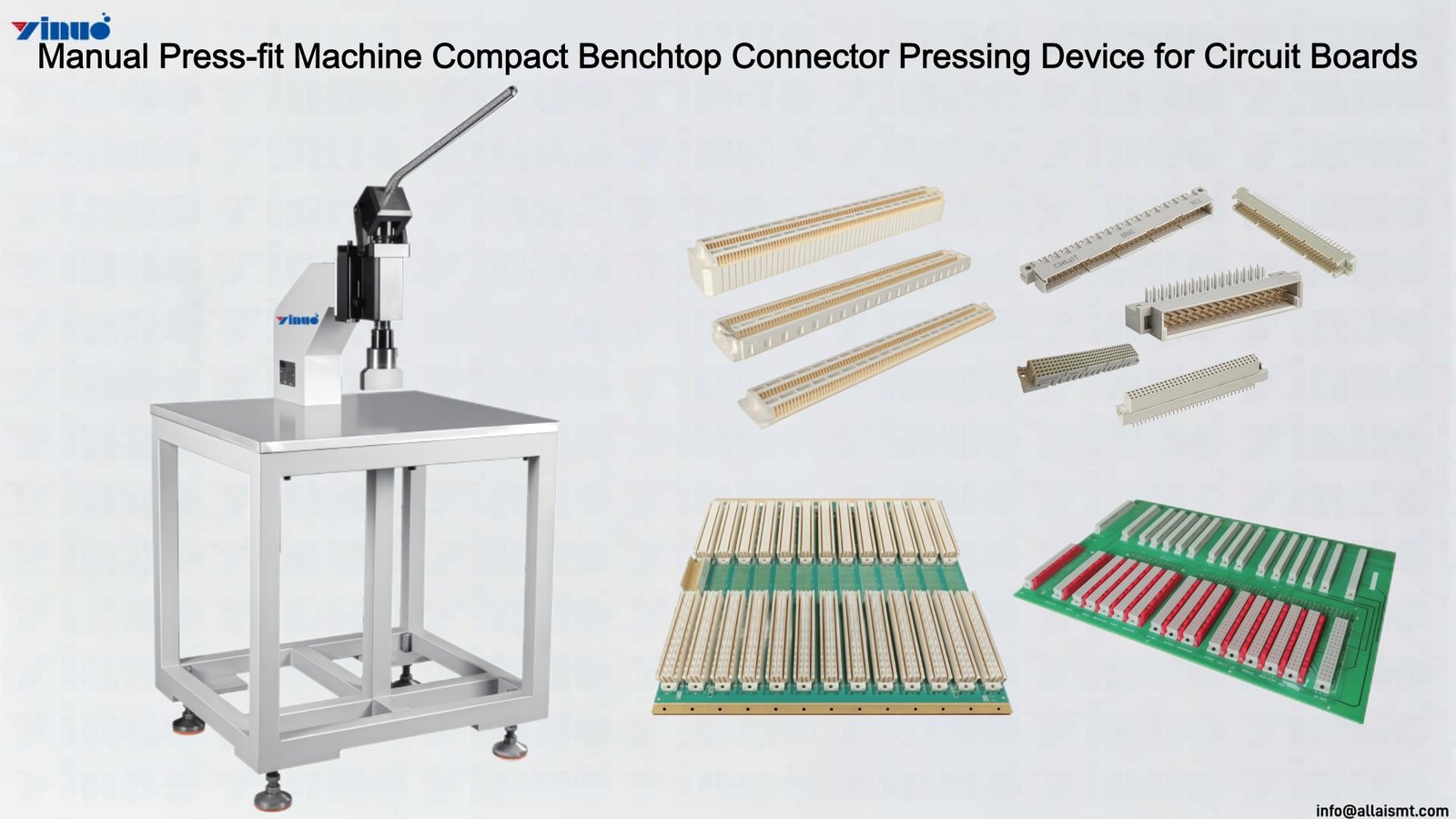
In a busy SMT production environment, the manual press-fit machine fills a critical gap between fully automated insertion lines and ad-hoc hand tools. Our machine is designed to integrate seamlessly into existing PCB assembly workflows. The open-frame architecture allows operators to load and unload boards quickly from either side, making it equally effective as a standalone station or in a cellular manufacturing layout.
The machine’s workholding system deserves special attention. A floating lower platen with ±3 mm lateral compliance self-centers the PCB under the press head, compensating for minor board-to-board variation in tooling hole positions. This means the operator does not need to manually nudge the board into alignment, reducing cycle time and eliminating the leading cause of bent pins. The press sequence itself is a two-stage operation: a low-force pre-alignment stage seats the connector pins into their through-holes, followed by a full-force insertion stage. This staged approach is particularly valuable when working with high-pin-count connectors where individual pin alignment is critical.
For quality documentation, the machine can be equipped with an optional data-logging module that records insertion force curves for every press cycle. These records can be exported via USB and linked to board serial numbers, providing full traceability for automotive, aerospace, and medical device manufacturing where process validation is mandatory. The machine runs on standard 110-220V shop power for the data module and requires no compressed air, keeping installation simple.
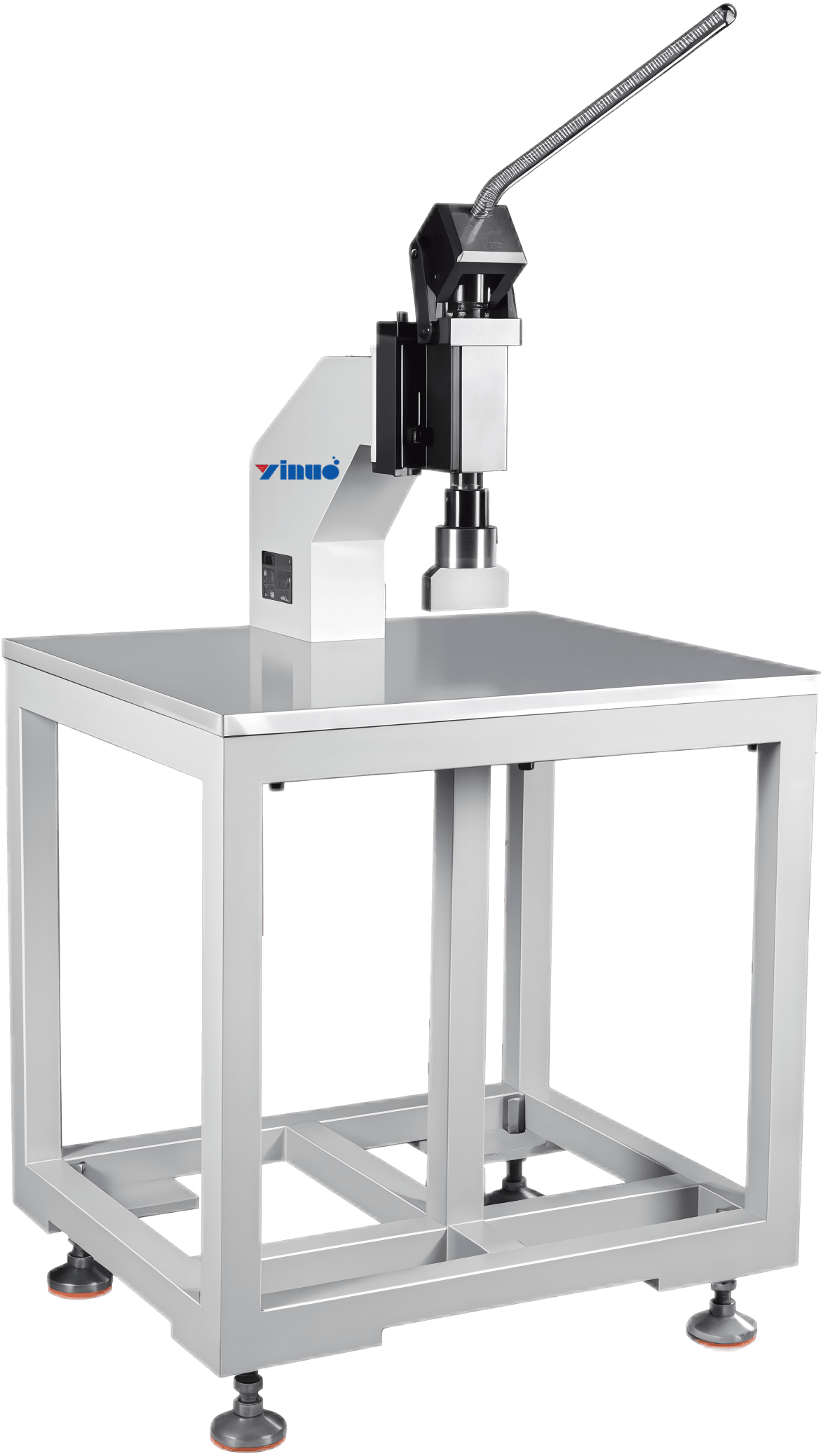
Manual Press-fit Machine
How the Manual Press-fit Machine Presses Terminals and Connectors into PCBs
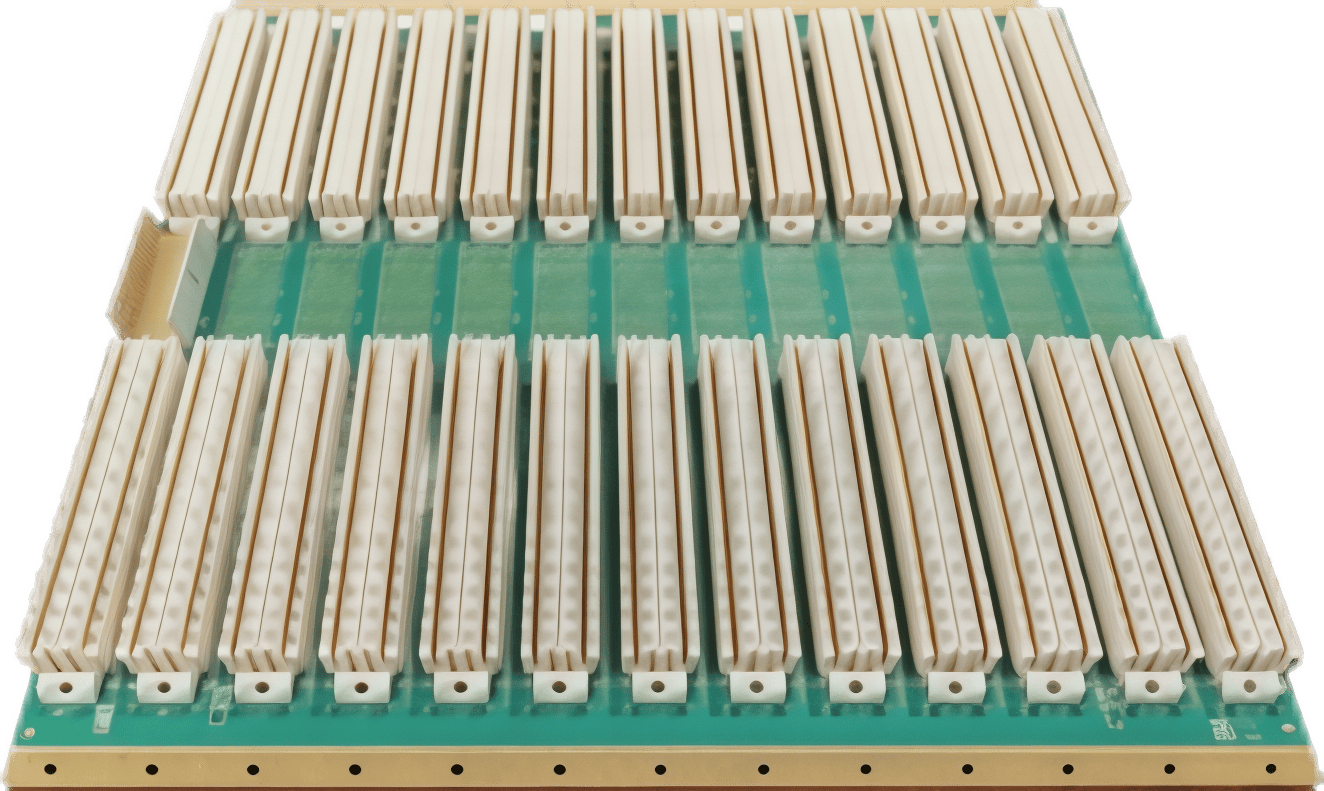
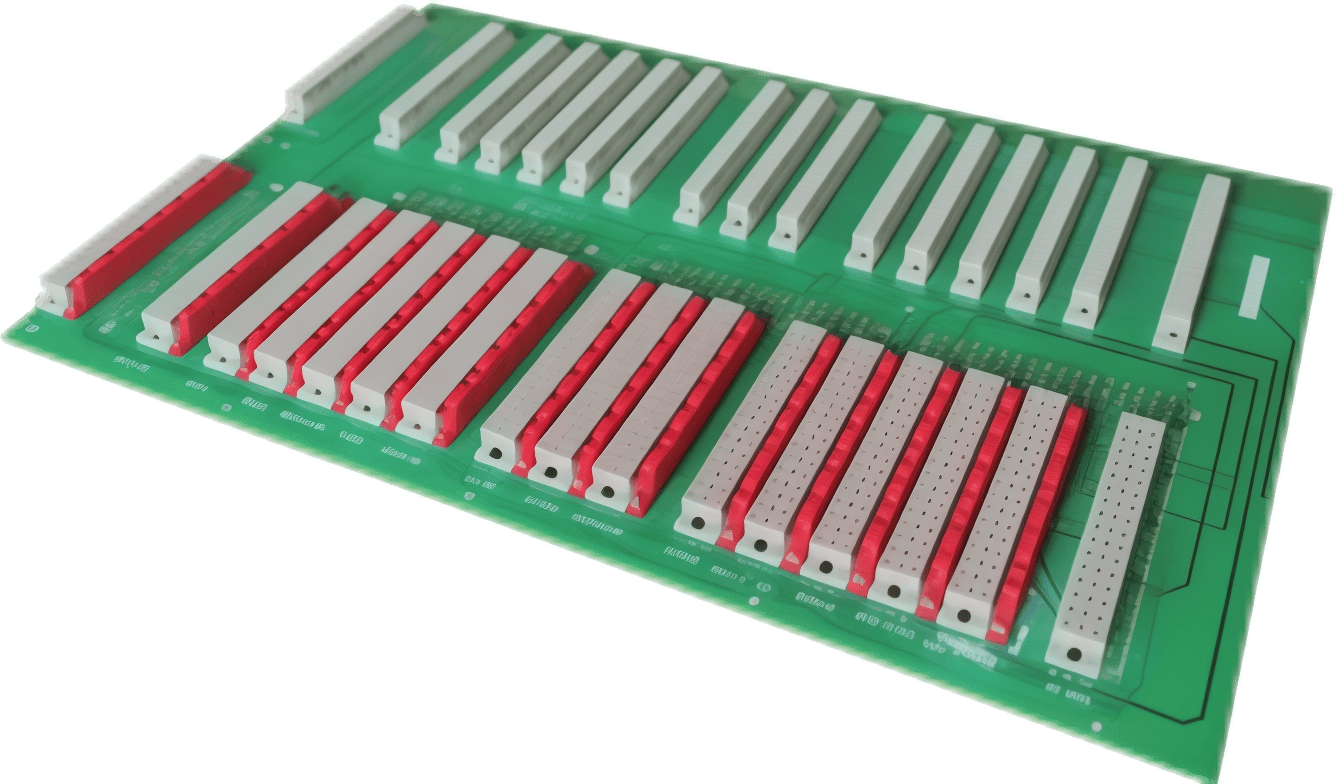
Manual press-fit machines are deployed wherever PCB assemblers need to mount connectors without exposing boards to reflow or wave soldering temperatures. One of the most common applications is backplane assembly in telecommunications and data center equipment. Large backplanes often carry dozens of high-density connectors that cannot survive multiple thermal cycles; press-fit insertion allows all connectors to be mounted after the board has already been populated with SMT components, completely eliminating thermal stress on both the board and the connectors. Another key use case is in automotive power control modules, where heavy-gauge press-fit terminals carry high currents and must achieve a mechanically robust, low-resistance connection that soldering cannot reliably deliver over the vehicle’s lifetime of vibration and thermal cycling.
The machine excels in mixed-technology PCB assembly — boards combining surface-mount, through-hole, and press-fit components. Press-fit connectors are installed as the final step after soldering, and a manual station offers the flexibility to handle varying connector types and board sizes without the setup overhead of an automated machine. Our press-fit station supports PCBs up to 600 mm with universal fixturing, covering everything from miniature mezzanine connectors to large industrial power terminals. Industrial control systems, railway signaling equipment, and medical imaging devices all benefit from press-fit assembly for its reliability and process simplicity. For contract manufacturers running short-run jobs, a manual press-fit machine turns a potential bottleneck into a fast, controlled, and well-documented operation.
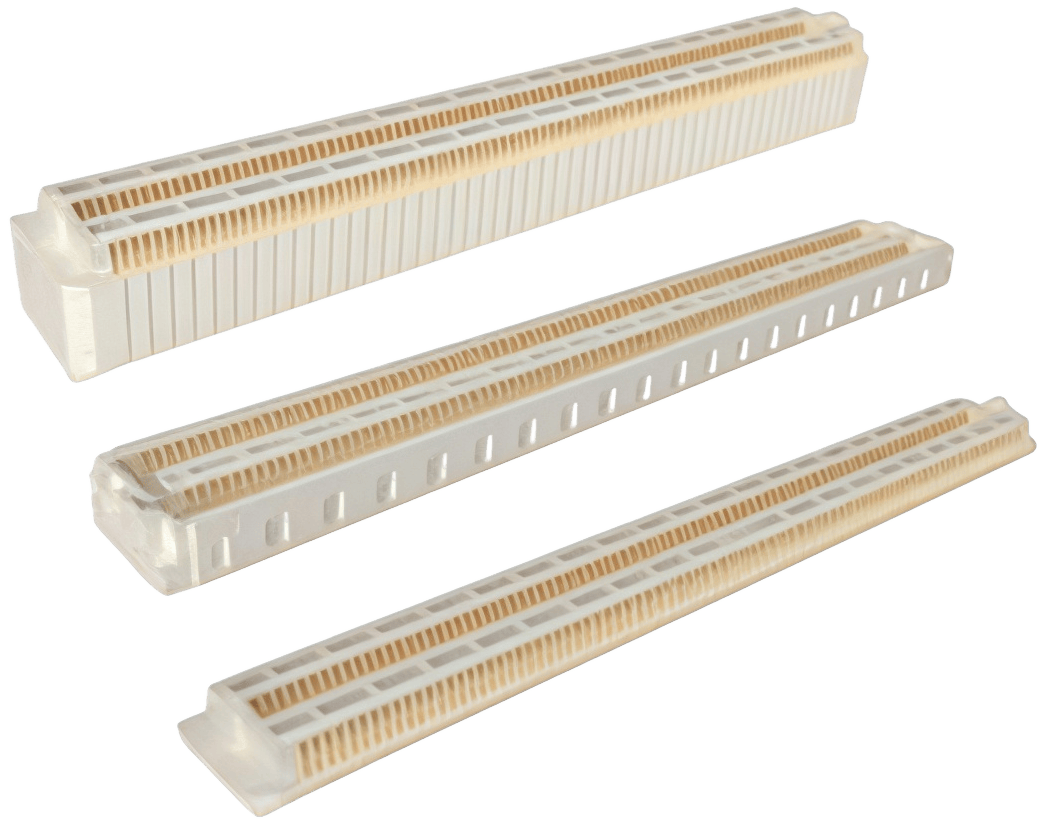
Press-Fit Din
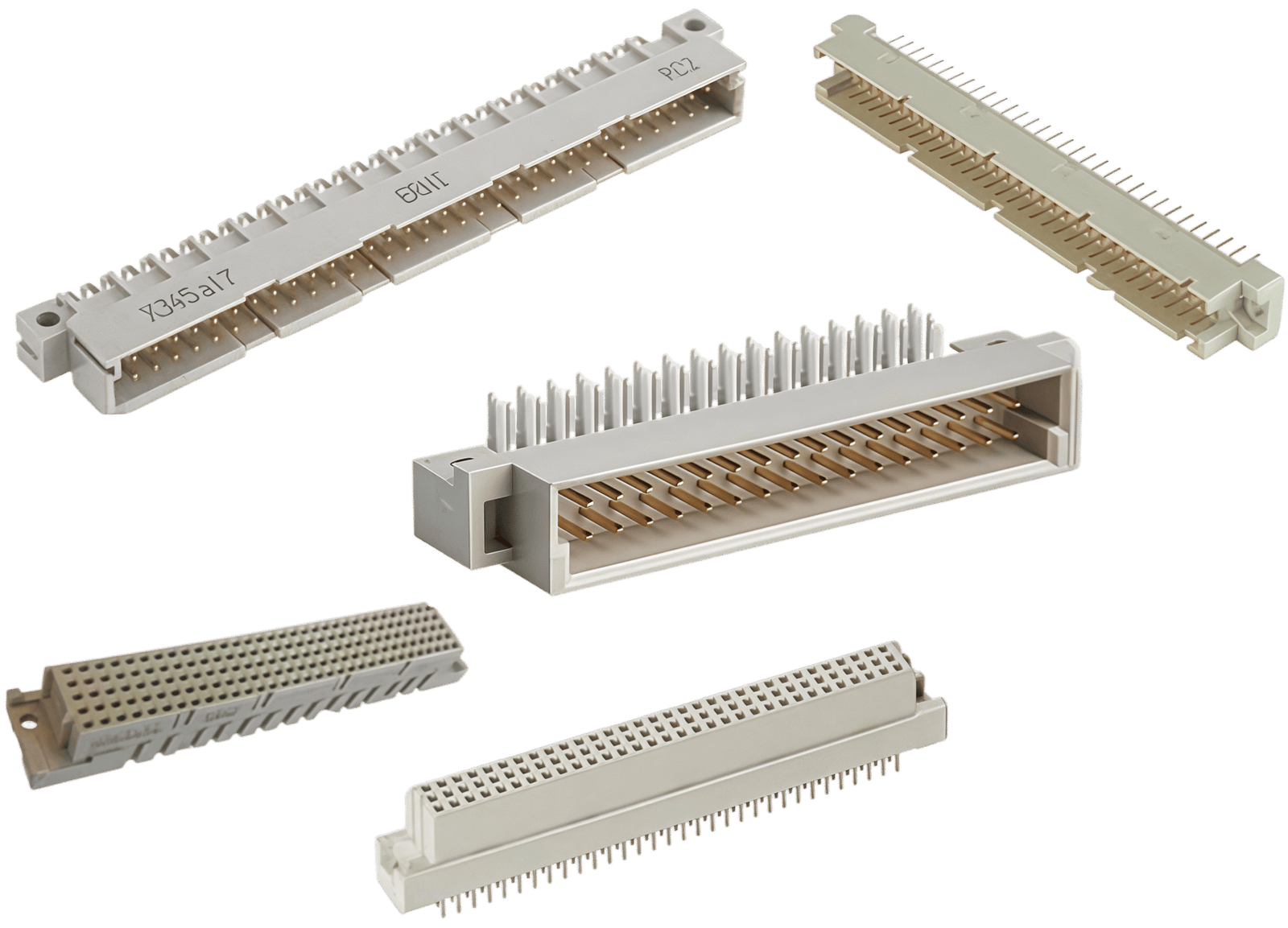
Press-Fit Din
تحديد
|
نموذج |
YT-1010A |
|
Max. Press Force |
1T |
|
Platform Size |
750*650 mm |
|
Throat Depth |
300 ملم |
| Height of Platform |
800 mm |
| Angle of Pressing Block |
0°,90° |
| Height of Pressing Block |
40-90 mm |
| Pressing Stroke |
26 mm |
https://www.youtube.com/@allaismt
For more information about the Manual Press-fit Machine, يرجى إرسال بريد إلكتروني إلى
سنرد على استفسارك على الفور وسنزودك بمعلومات مفصلة حول منتجاتنا وخدماتنا.