
Introdução
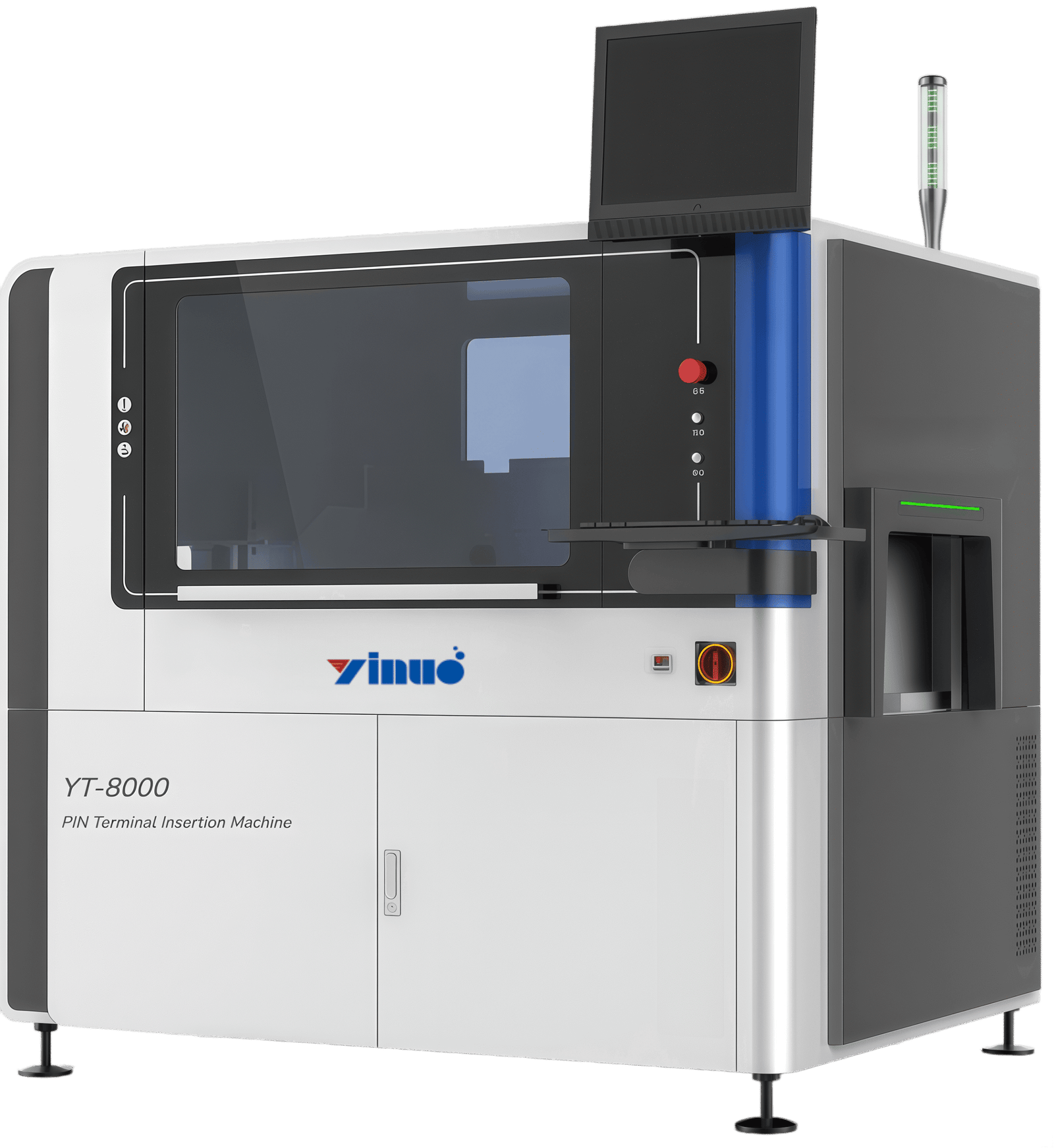
O Máquina automática de inserção de terminais THT brings sophisticated automation capabilities to the traditionally challenging domain of through-hole connector placement. By automating the insertion of terminals into printed circuit boards, this machine enhances operational efficiency and ensures high-quality results. Precision engineering minimizes errors, creating a more reliable manufacturing process. The easy-to-navigate interface facilitates quick adjustments and efficient programming, seamlessly integrating into any production line.
Adaptability defines the Máquina automática de inserção de terminais THT, which can easily accommodate different terminal configurations. This capability is vital for manufacturers producing both high volumes of a single product and a diverse array of electronic components. Its robust design guarantees reliable performance in high-demand settings, providing manufacturers the confidence to meet production targets without sacrificing quality.
Beyond its technical advantages, the Máquina automática de inserção de terminais THT offers strategic benefits in a competitive marketplace. By increasing production speed and reducing labor costs, manufacturers can enhance efficiency and profitability. As the electronics industry evolves, this machine positions companies to capitalize on new opportunities and challenges.Investing in the THT machine equips manufacturers to enhance their operational capabilities and improve their bottom line, ensuring sustained growth and success in an ever-evolving industry.
Máquina automática de inserção de terminais THT
How is the THT Automatic Terminal Insertion Machine applied to handle different types of TE Connectivity Faston Terminals?
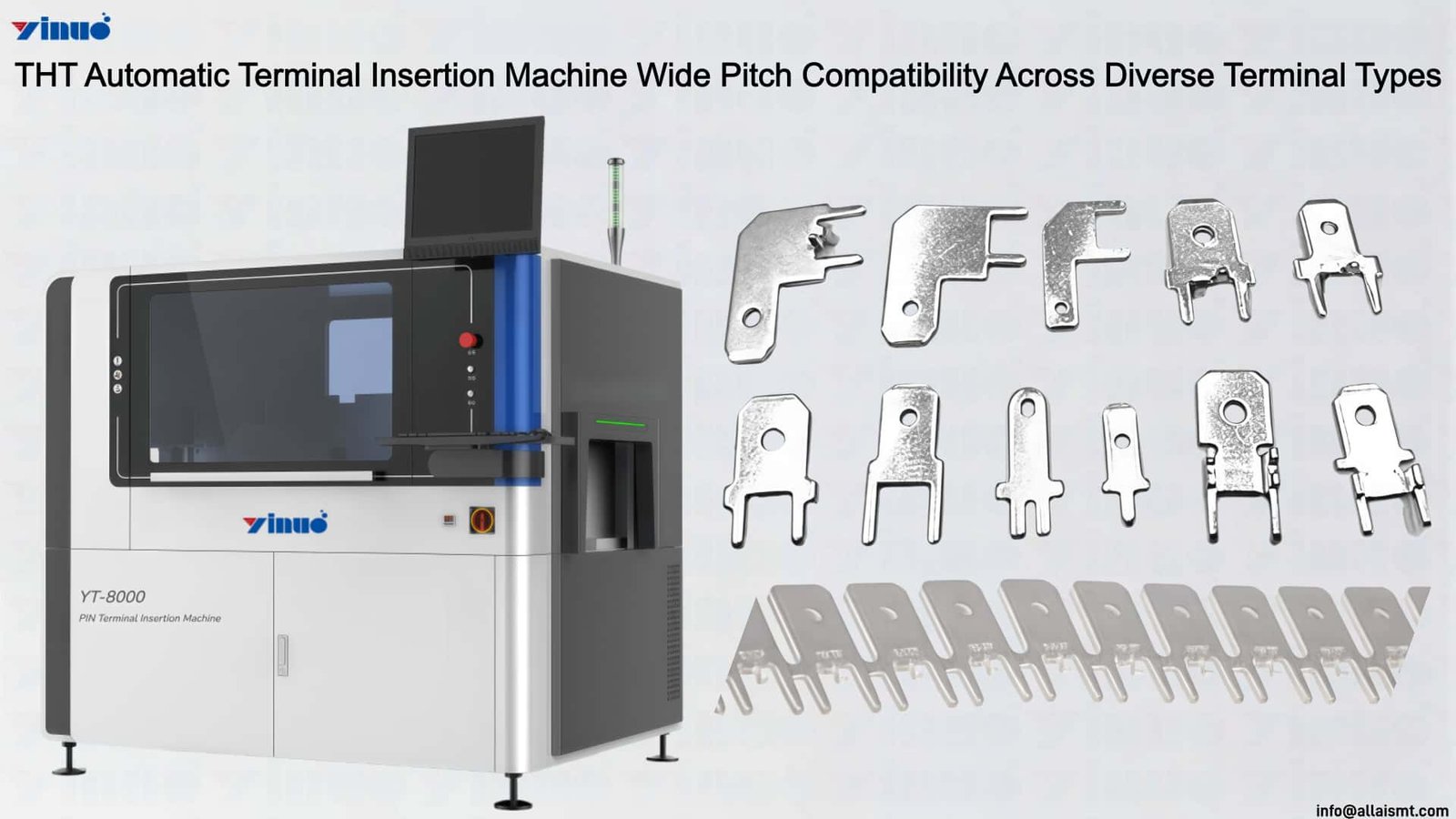
O Máquina automática de inserção de terminais THT demonstrates exceptional versatility when processing the full spectrum of TE Connectivity Faston terminal configurations, from compact low-current receptacles to heavy-duty power-rated blade variants. Each Faston type presents unique insertion characteristics — differing tab widths, material thicknesses, and retention force requirements — that demand precise, adaptable machine control. This system addresses that complexity through programmable servo profiles that automatically tune insertion speed, depth, and downward force to match the specific mechanical properties of each selected Faston series. The adaptive force-feedback module reads resistance curves in real time during every seating operation, ensuring delicate signal-grade terminals receive gentle treatment while robust power terminals are driven with firm, consistent pressure.
The seamless accommodation of multiple Faston types within a single production run highlights a core operational strength of this platform. Multi-reel feeder stations keep different TE terminal variants loaded and ready for immediate selection, allowing boards combining several Faston sizes to be fully assembled without pausing for manual material changes. The software stores optimized insertion recipes for each supported configuration and switches between them automatically based on board program data. Integrated optical inspection captures post-insertion images of every seated terminal, verifying full engagement against reference templates specific to each Faston form factor.
For manufacturers serving markets where TE Faston connectors are specified as standard interconnects — including home appliances, HVAC systems, automotive lighting modules, and industrial power distribution panels — this machine delivers a decisive production advantage. The ability to handle the complete Faston portfolio on one flexible platform consolidates what would otherwise require multiple specialized machines into a single streamlined automated cell. Reduced touch points, consistent quality output, and documented process traceability directly address tightening audit expectations as product designs increasingly mix multiple Faston types on a single board.

Terminais de encaixe para placas de circuito impresso
Especificações
| Modelo | YT-8000 |
| Dimensões do equipamento | 1.700 mm × 1.300 mm × 1.600 mm (2 cabeçotes) |
| Embalagem | Terminal de fita, terminal a granel |
| Peso do equipamento | 1.200 kg |
| Tamanho da placa de circuito impresso | 380 mm × 280 mm (é possível personalizar tamanhos maiores) |
| Número de cabeçotes de inserção | 1-4 Opcional |
| Espessura do terminal | ≥0,5 mm ≤1,2 mm |
| Erro vertical | ≤0,8° |
| Requisitos para placas de circuito impresso (PCB) | O orifício de inserção é 0,5 ± 0,1 mm maior do que a base do componente |
| Ângulo de inserção | 360° (incremento de 1°) |
| Distância corporal | A distância entre os componentes é ≥ 2 mm |
| Clinch | Reforço para dentro/Reforço para fora/”N” |
| Umidade | 30%-70% |
| Sistema de exibição | Monitor LCD colorido de 17 polegadas |
| Sistema de alimentação | Alimentador de fita ou alimentador de tigela + guia de alimentação |
| Precisão do movimento | 0,001 mm/pulso |
| Sistema de Movimento | Controlador e motor da Panasonic |
| Função de programação | Programação visual on-line, correção visual, EXCEL |
| Importação de dados | Importação via interface USB, inserção manual |
| Interface de comunicação | RS-232C (pode ser conectada ao sistema MES) |
| Poder | Monofásico 220 V CA, 50/60 Hz, 2 kVA |
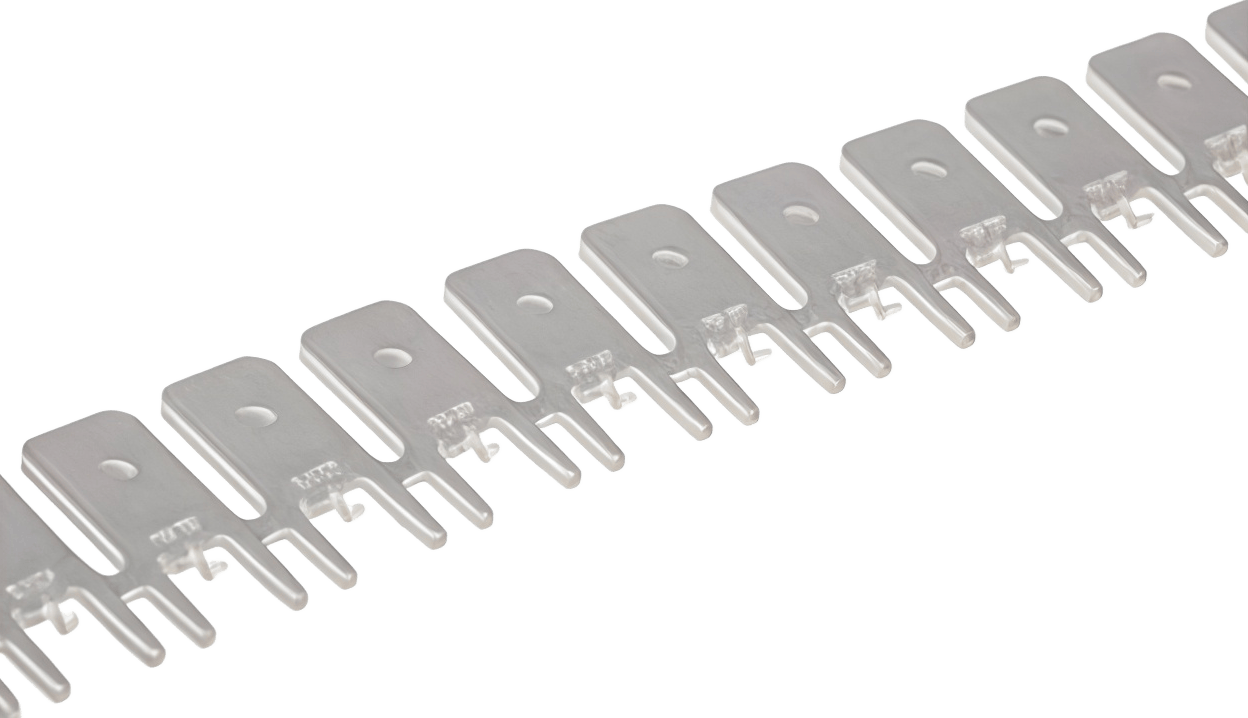
Terminais de encaixe para placas de circuito impresso
https://www.youtube.com/@allaismt
For more information about the Máquina automática de inserção de terminais THT, Por favor, envie um e-mail para
Responderemos à sua solicitação prontamente e forneceremos informações detalhadas sobre nossos produtos e serviços.


-300x225.jpg)
-300x225.jpg)