

การแนะนำ
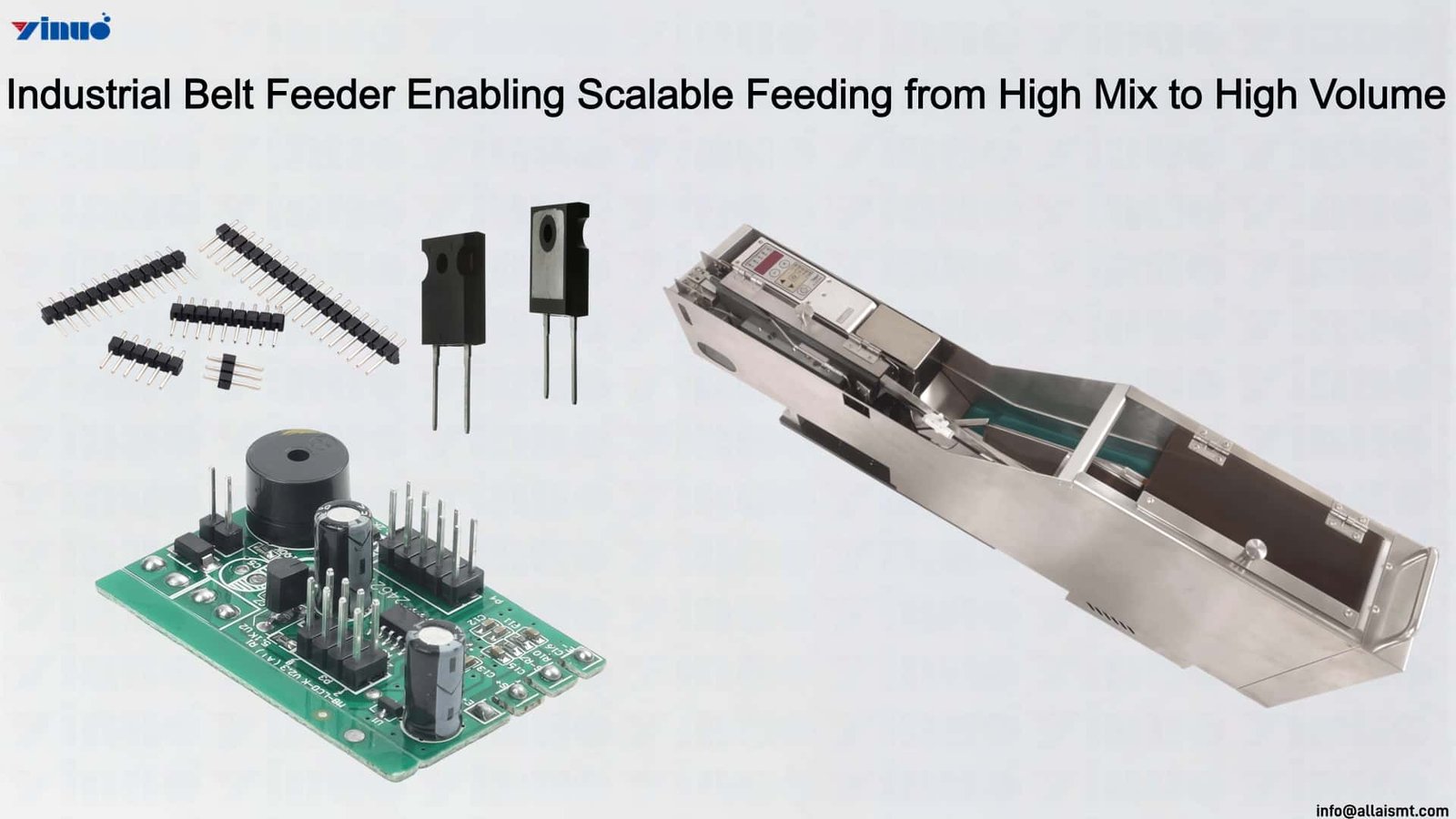
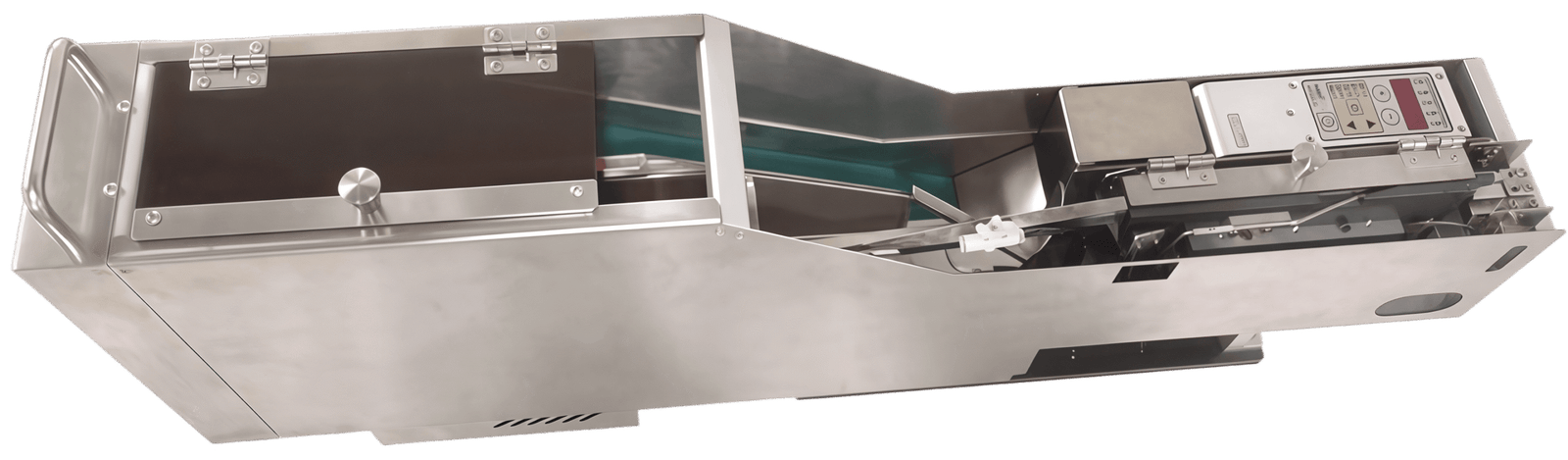
เดอะ เครื่องป้อนแบบสายพาน serves as a critical link in automated production lines, bridging the gap between bulk material storage and precision track-based feeding systems. By conveying loose components along a belt conveyor and depositing them into a track, the feeder enables manufacturers to maintain a continuous supply of materials to downstream operations. This capability is particularly valuable in industries where high-volume, repeatable feeding is essential to meeting production targets and maintaining line efficiency.
In practice, the belt feeder handles a diverse range of bulk materials, from small mechanical components to electronic parts and plastic elements. The belt’s smooth, continuous motion gently transports these materials without subjecting them to the impact forces associated with vibratory or pneumatic feeding methods. This gentle handling is especially important for delicate or surface-sensitive components, where scratches, dents, or deformation could compromise product quality and yield rates downstream.
The feeder integrates seamlessly into existing production architectures, accepting bulk materials from hoppers, bins, or manual loading stations and delivering them to tracks that feed assembly, testing, or packaging equipment. Its adaptable belt speed and guide configuration allow operators to fine-tune the feeding rate to match the pace of downstream processes, preventing bottlenecks and material starvation. Whether deployed in electronics manufacturing, consumer goods assembly, or automotive component production, the Belt Feeder provides a reliable and versatile feeding solution that scales with operational demands.
เครื่องป้อนแบบสายพาน
Belt Feeding for Automotive Electronics: From Bulk Components to Track-Based Assembly
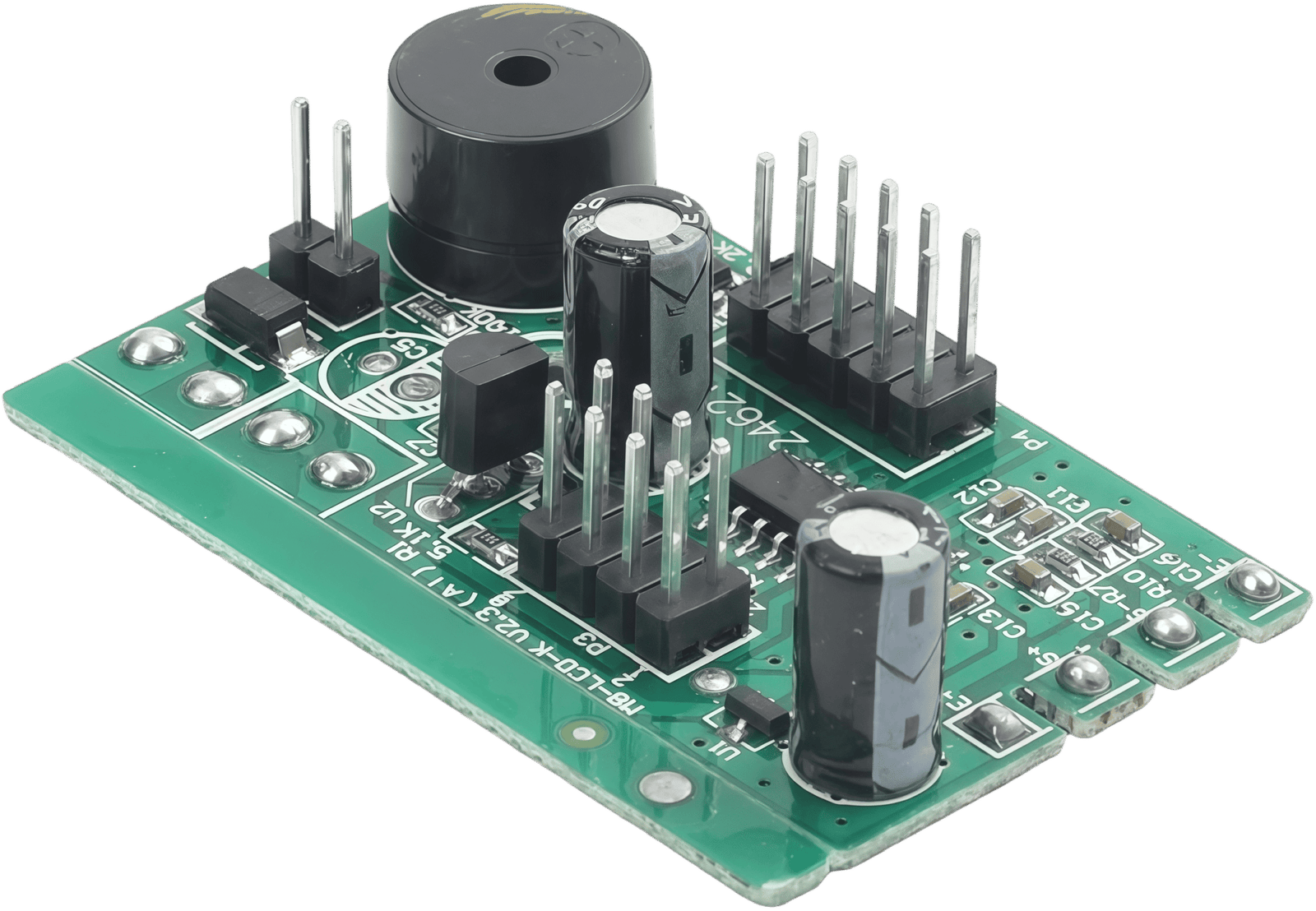
ในโรงงานผลิตอุปกรณ์อิเล็กทรอนิกส์สำหรับรถยนต์อัจฉริยะ, เครื่องป้อนแบบสายพาน serves as the connective tissue between bulk component storage and the precise, track-based assembly operations that define modern production. Applications range from ECU housing assembly and connector insertion to the handling of sensors, relays, and small stamped metal parts. In each case, the feeder accepts loose components from bins or hoppers and delivers them in an organized, single-file flow into the track, giving downstream robots and assembly fixtures a consistent supply to work with.
The belt’s gentle, continuous motion is a particular advantage in automotive electronics, where components are increasingly delicate and surface-critical. Ceramic substrates, fine-pitch connectors, and sealed sensor housings can be damaged by the impact forces of vibratory or pneumatic feeding. Belt-based transport keeps these parts moving smoothly and keeps them aligned as they enter the track, protecting both component integrity and the yields that automotive customers demand.
The feeder also adapts to the mixed-product reality of automotive electronics manufacturing. When a line switches from one control module to another, operators can adjust belt speed and guide configuration to match the new component geometry and feeding cadence, with minimal changeover effort. This flexibility allows the factory to run multiple product variants on the same line while maintaining the reliability that long production runs require. The result is a feeding platform that scales from low-volume, high-mix lines to high-volume production for mainstream vehicle programs.
ข้อกำหนด
| แบบอย่าง | YN-B2401 |
| ขนาด (ยาว×กว้าง×สูง) | 866×135×303 มม. |
| น้ำหนัก | 22 กิโลกรัม |
| Operating Voltage | AC 220Vc |
| ปัจจุบัน | 3A |
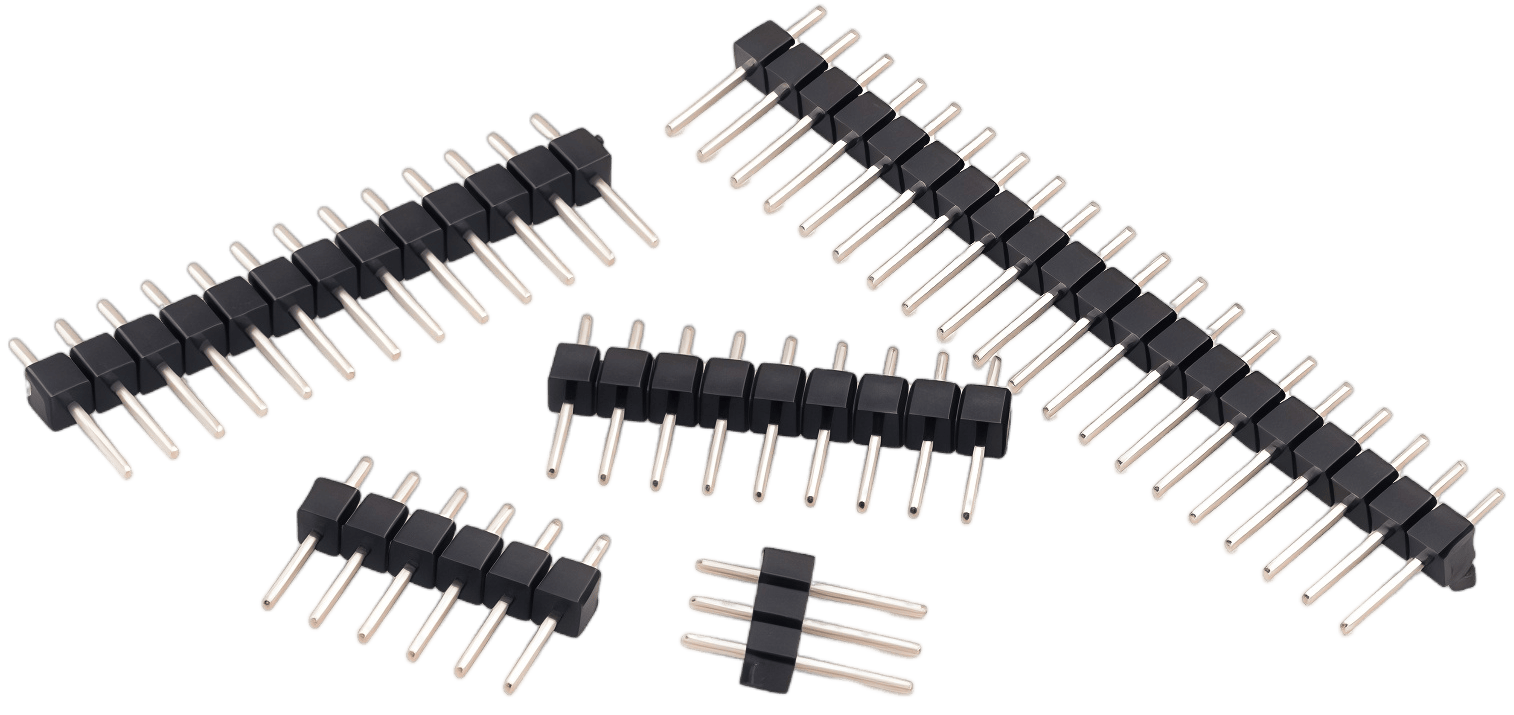
| ช่วงส่วนประกอบที่ใช้งานได้ | 3–8 ขา |
| การปรับแต่ง | เครื่องป้อนสามารถปรับแต่งได้ตามประเภทวัสดุ |
https://www.youtube.com/@allaismt
For more information about the เครื่องป้อนแบบสายพาน, โปรดส่งอีเมลไปที่
เราจะตอบข้อสอบถามของคุณอย่างรวดเร็วและให้ข้อมูลโดยละเอียดเกี่ยวกับผลิตภัณฑ์และบริการของเรา.