
Introdução
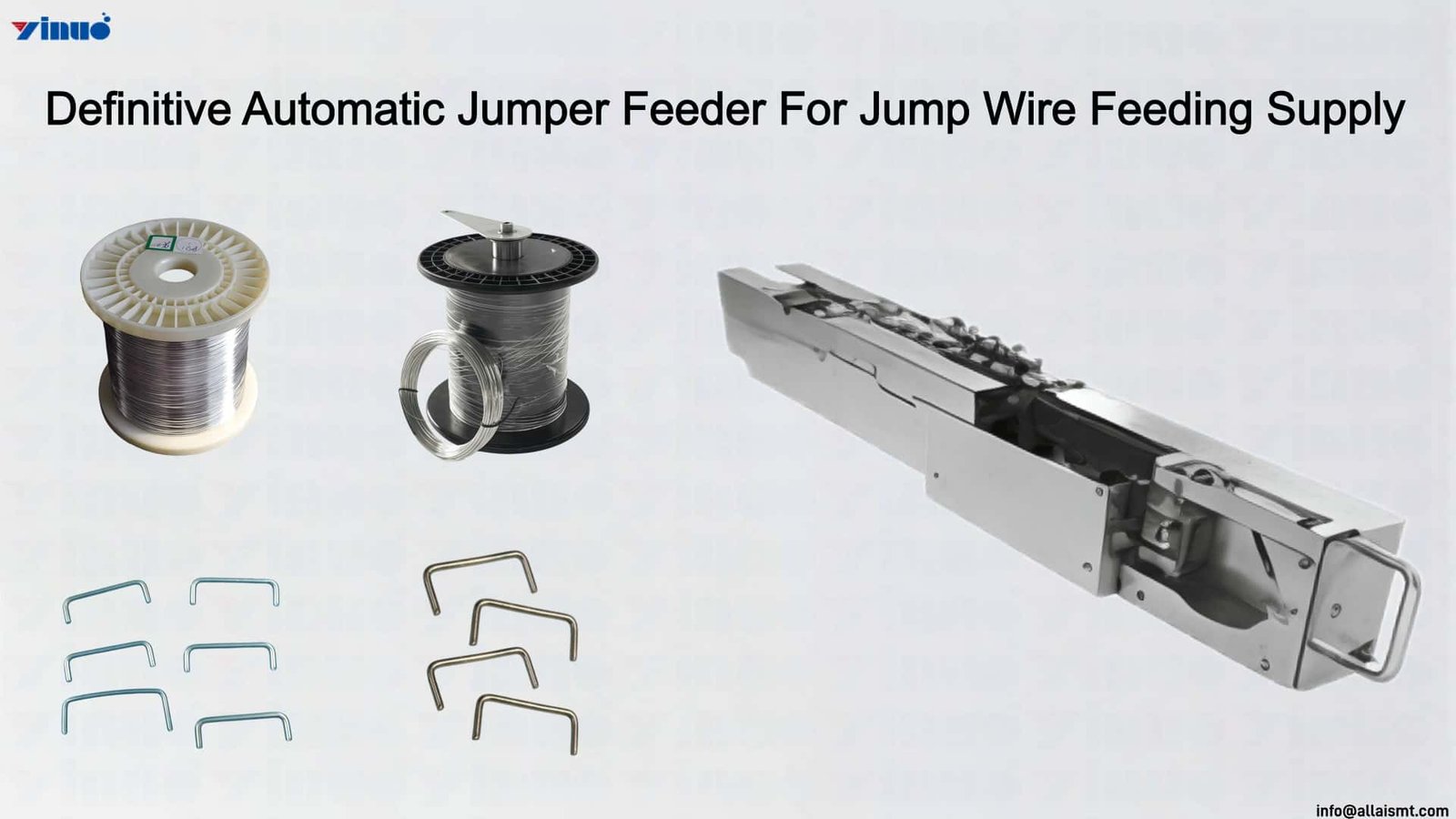
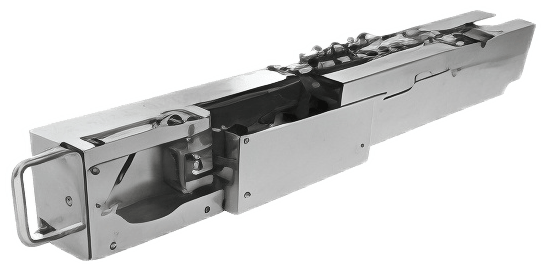
In contemporary electronics assembly lines, the Alimentador automático de jumpers serves as a critical integration node between bulk wire supply and precision insertion operations. Its core function—feeding reeled copper wires in fixed lengths, cutting them into shape, and delivering them to the insertion machine—bridges what would otherwise be a disruptive manual gap in an automated workflow. By converting raw reeled material into ready-to-insert components on demand, the feeder enables seamless line continuity and supports the lean manufacturing principle of continuous flow.
The feeder is engineered for compatibility with standard insertion machine interfaces, allowing it to be deployed as a modular upgrade to existing lines or integrated into new turnkey installations. Its feed-rate synchronization capability ensures that wire supply matches insertion demand in real time, preventing both starvation and accumulation at the insertion station. Adjustable length settings and form configurations provide the flexibility to accommodate multiple jumper specifications without extensive changeover, keeping line utilization high across diverse product mixes.
The strategic value of the Automatic Jumper Feeder lies in its ability to elevate entire production lines. By automating the wire-to-insertion handoff, manufacturers achieve tighter cycle-time control, reduced work-in-process inventory, and lower operator intervention frequency. The feeder’s contribution to line stability means that downstream stations operate under consistent input conditions, which improves first-pass yield and simplifies root-cause analysis when variations occur. For organizations pursuing Industry initiatives, this device provides both the data-ready automation footprint and the process reliability that intelligent manufacturing systems require.
Alimentador automático de jumpers
Automatic Jumper Feeder Delivers Programmable Cut-to-Length Precision for Wearable PCB Assembly
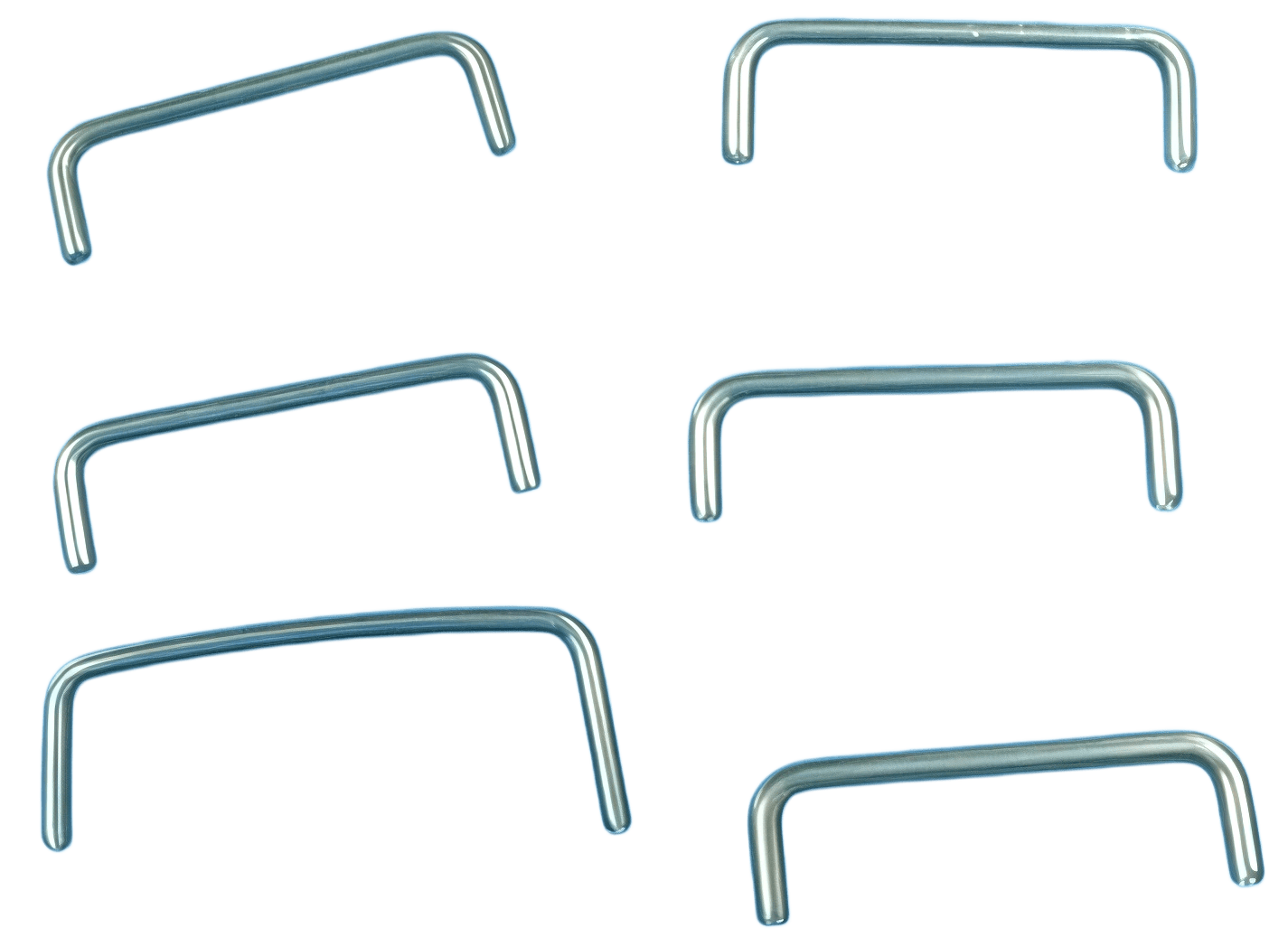
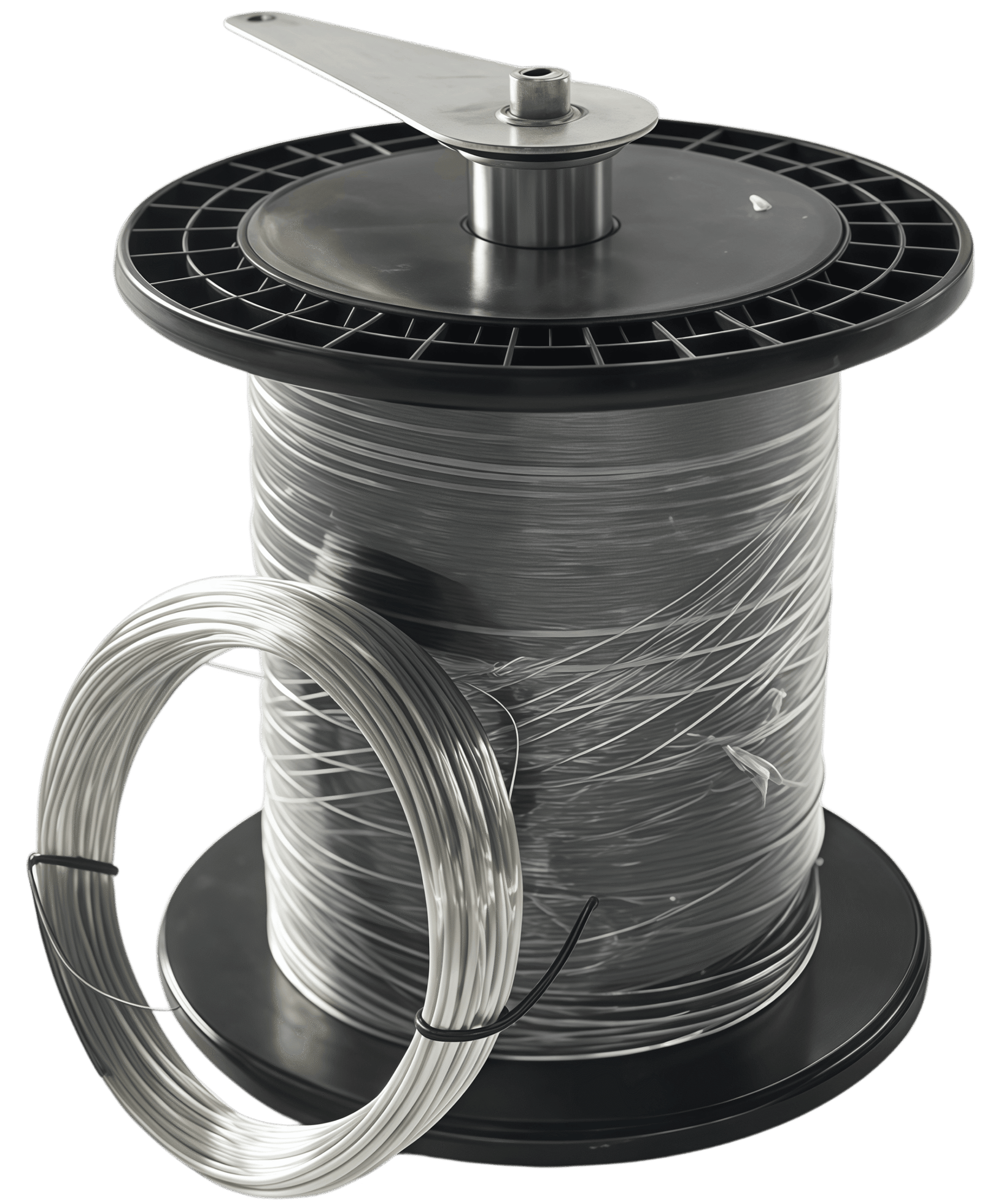
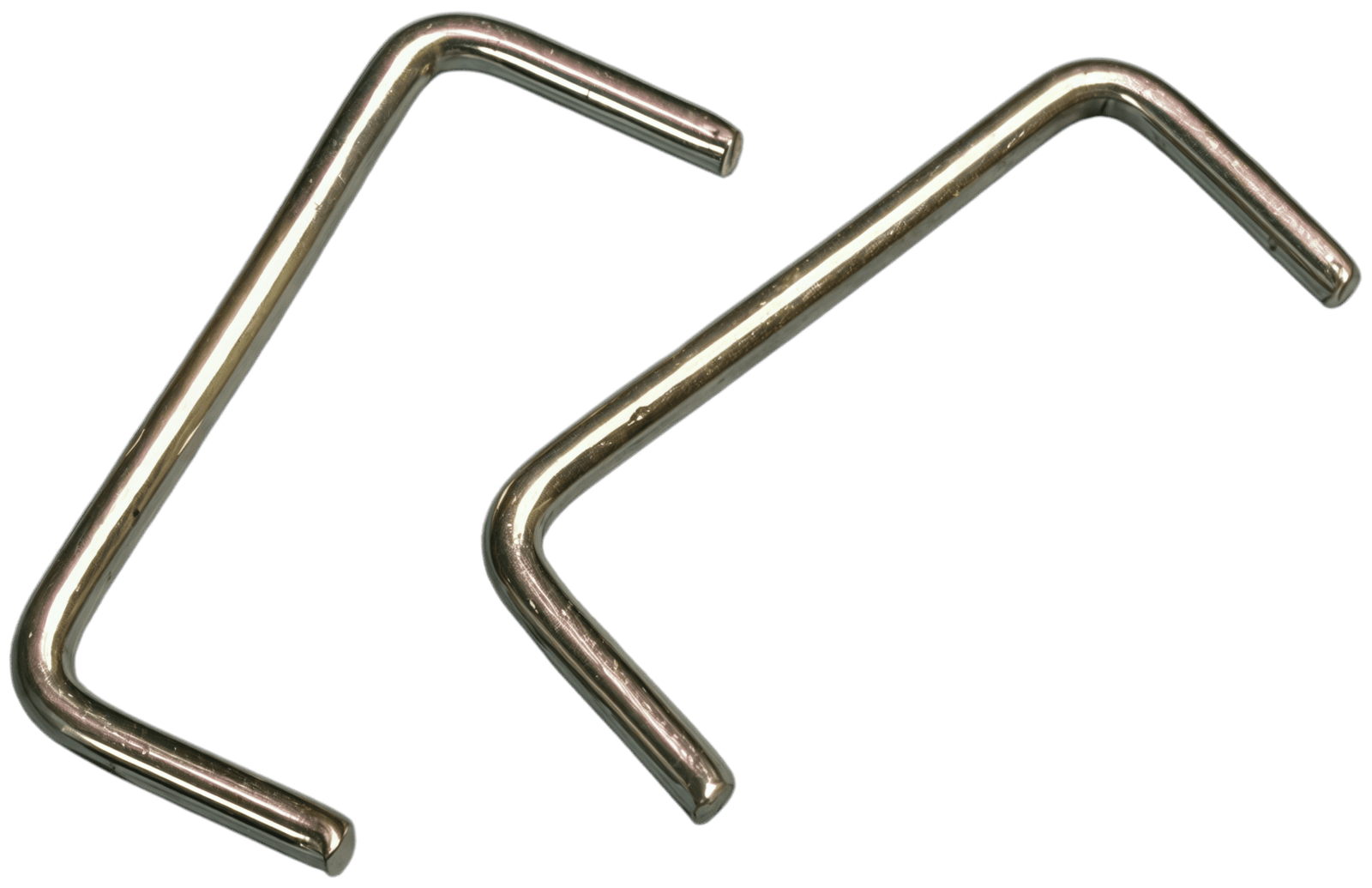
In smart wearable device electronics factories, board-level real estate is measured in fractions of a millimeter, and every jumper wire must land with exacting positional accuracy. The Alimentador automático de jumpers addresses this constraint directly by feeding reeled copper wires in programmable fixed lengths, cutting and forming each segment to specification, and delivering it to the insertion machine in precisely controlled orientation. This level of deterministic feeding is what makes reliable jumper insertion possible on the densely populated, ultra-compact PCBs found in smartwatches, fitness bands, and hearable devices.
The feeder’s performance strength lies in its repeatable cut-to-length precision and stable wire-tension management throughout the feed path. For wearable electronics, where jumper wires often bridge tightly spaced conductors on multi-layer flex-rigid boards, even minor length deviation or wire deformation can cause insertion misalignment or short-circuit risk. The Automatic Jumper Feeder eliminates these variables by maintaining consistent dimensional output across extended production runs, ensuring that every jumper supplied to the insertion machine conforms to the same engineering tolerance.
Within the competitive wearable manufacturing landscape, this dimensional consistency translates directly into market advantage. Manufacturers deploying the Automatic Jumper Feeder report lower insertion defect rates, reduced rework cycles, and improved first-pass yield on high-density wearable assemblies. By removing the variability that plagues manual or semi-automated wire preparation, the device enables factories to meet the stringent quality benchmarks that premium wearable brands demand, while simultaneously protecting throughput on lines where every minute of unplanned downtime carries significant cost.

Especificações
| Modelo | YN-J2303 | Observações |
| Dimensões (C × L × A) | 624 × 78 × 160 mm | |
| Peso | 6,5 kg | |
| Operating Voltage | DC 24V | |
| Abastecimento de ar necessário | None | |
| Corrente máxima | 2,5 A | |
| Feed Speed | 1,5 s/unidade | |
| Painel de operação | TFT de 0,96″ Resolução da tela colorida: 80×160 pixels |
|
| Tempo de troca | 3 min | |
| Canal | Canal único | |
| Função de dobra de chumbo | Dobragem | |
| Função pré-elevação | Serviço de transporte antes do evento disponível | |
| Função de corte | Limite | |
| Função de correção | Correção | |
| Diâmetro do fio do material | 0,4–1 mm | Não é possível usar a matriz de conformação de 0,6 mm para conformar um fio de 0,4 mm; Só é possível usar uma matriz de 0,6 mm para fio de 0,6 mm |
| Espaçamento entre trilhos | 5–26 mm (A matriz de conformação depende do diâmetro do fio) Molde em forma de cruz: 3 tamanhos em um conjunto (grande/médio/pequeno) |
Não é possível usar a matriz de conformação de 16 mm para o passo de trilho de 16 mm; É necessário usar uma matriz de 16 mm de comprimento |
| Comprimento da ponta de conformação | 2,0 a 5,5 mm | Dentro dessa faixa, só é possível obter comprimentos diferentes utilizando diferentes matrizes de conformação de tamanhos correspondentes |
https://www.youtube.com/@allaismt
For more information about the Alimentador automático de jumpers, Por favor, envie um e-mail para
Responderemos à sua solicitação prontamente e forneceremos informações detalhadas sobre nossos produtos e serviços.