
Introdução
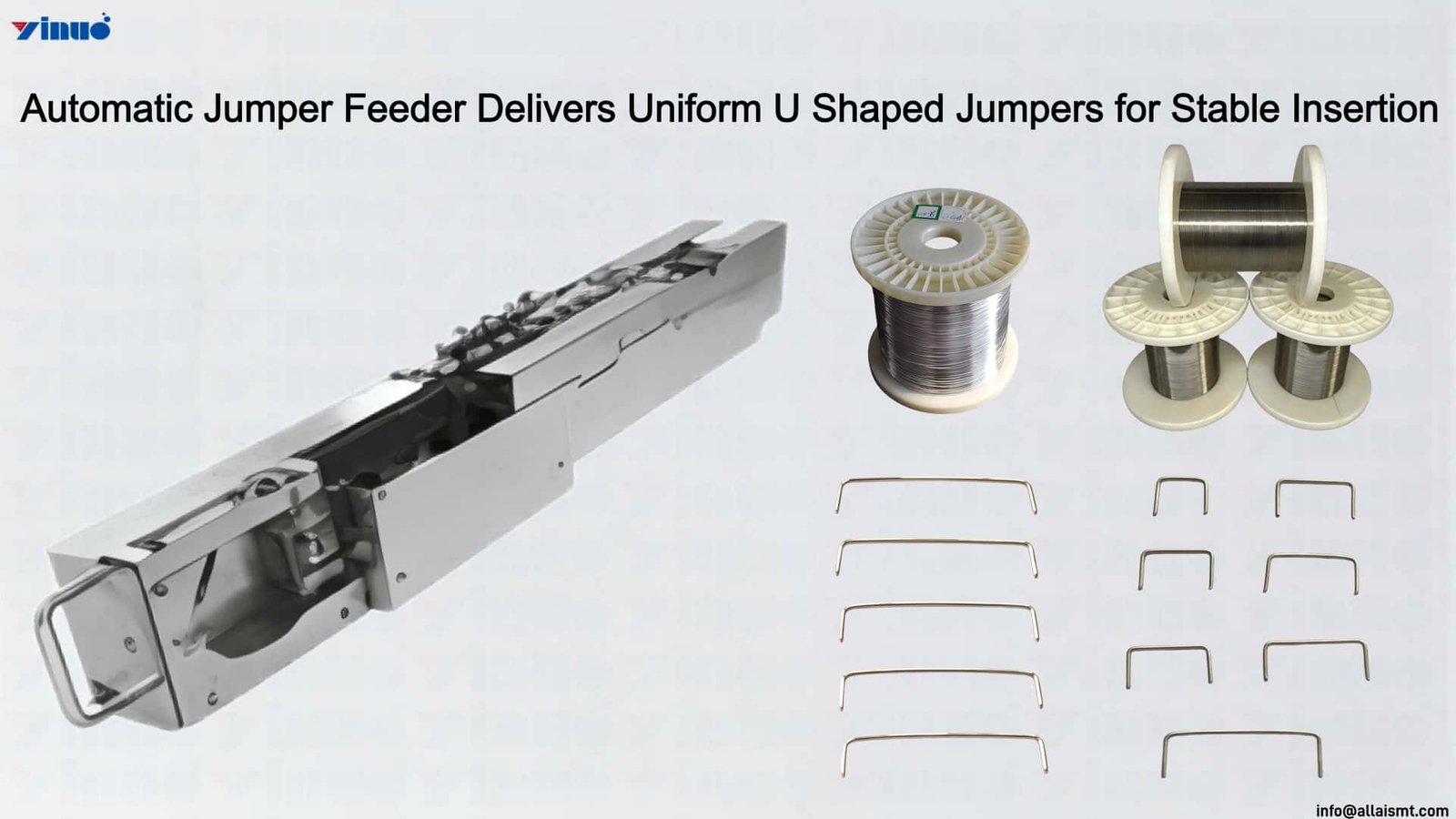
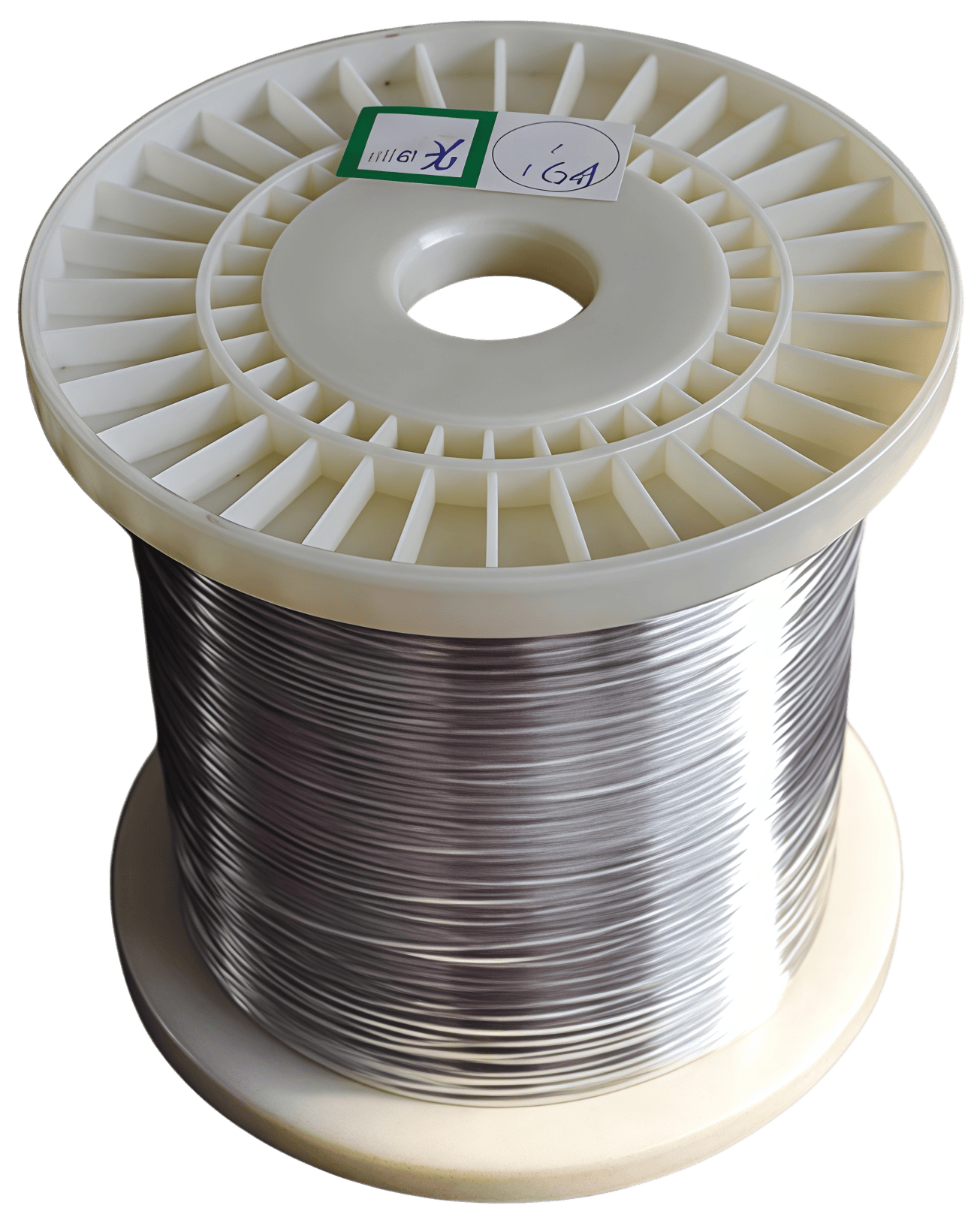
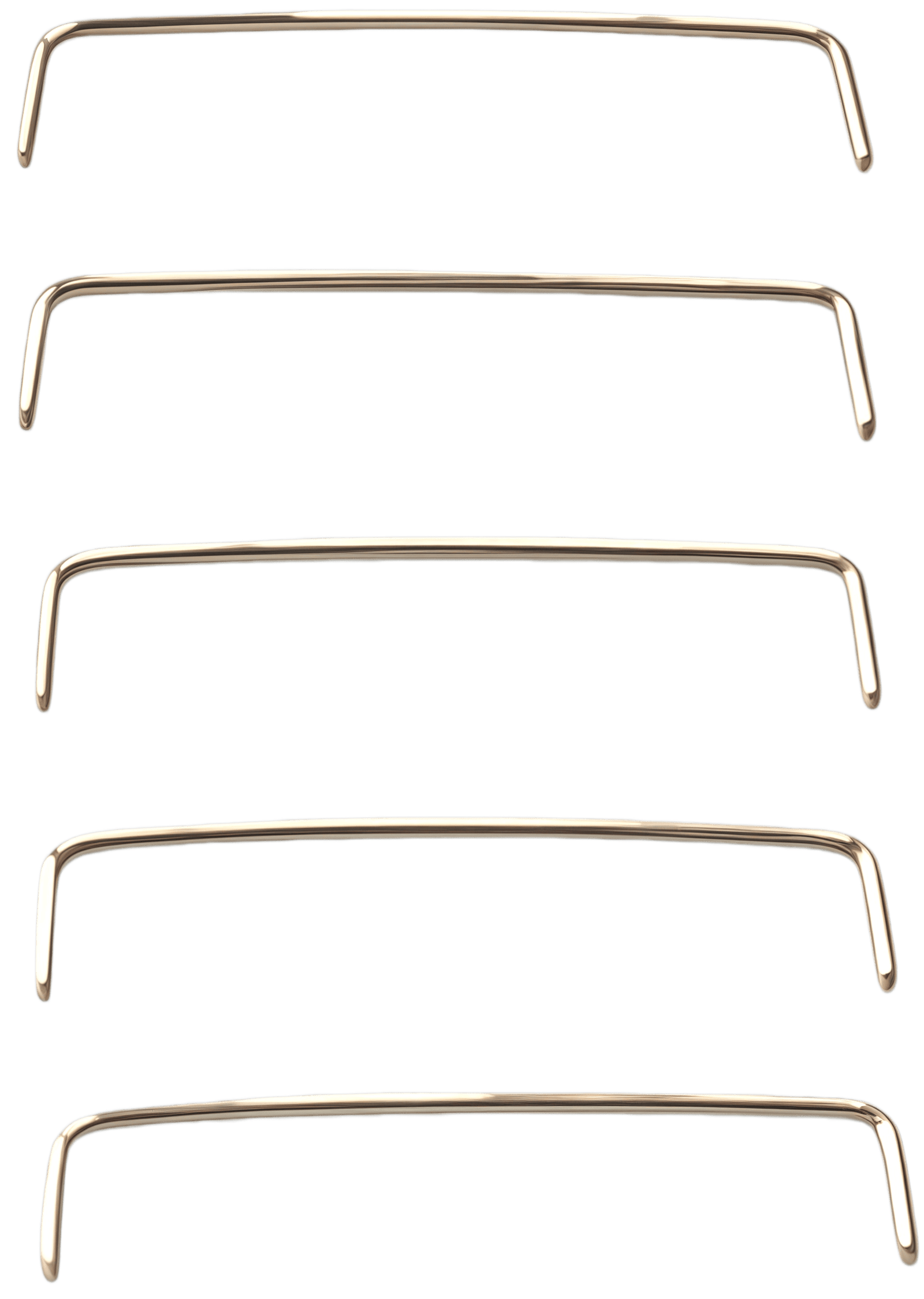
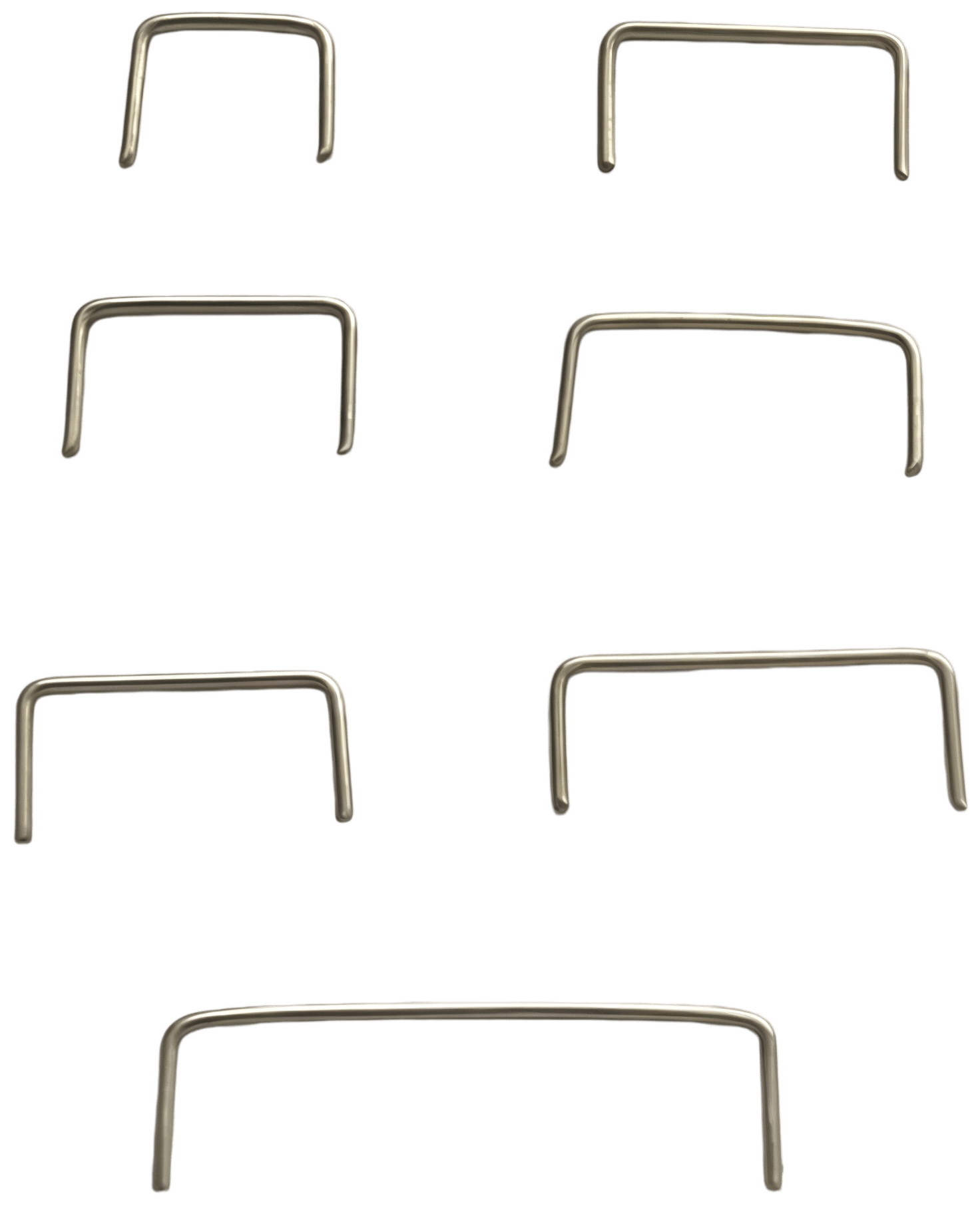
O Alimentador automático de jumpers draws jumper wire from a continuous supply spool and guides it through a tension-regulated pathway into the forming station, where the wire is cut to length, stripped at both ends, and bent into the exact lead geometry required by the target board position. The formed jumper is then transferred to the insertion head, which drives it into the designated through-hole or surface-mount pad while a coaxial vision system confirms lead seating against the annular ring. Every step — cut, strip, form, transfer, insert, verify — executes within a single machine cycle, with the next wire already being prepared before the current one completes placement.
This end-to-end processing architecture gives the Automatic Jumper Feeder a defining characteristic: independence from manual touch points across the entire jumper insertion workflow. The tension-regulated pathway eliminates wire kinking and insulation damage during high-speed feed, while the inline forming station removes the need for pre-cut or pre-formed jumper inventory. The coaxial vision verification embedded in the insertion head ensures that every seated jumper is optically confirmed before the board indexes forward, creating a self-contained quality gate within the machine itself.
The value of the Automatic Jumper Feeder is concentrated in this closed-loop, single-machine workflow. By consolidating cutting, stripping, forming, insertion, and verification into one continuous cycle, the machine eliminates the variability introduced by off-line preparation and hand placement. Its ability to process jumper material from raw spool to verified placement without intermediate handling makes it a self-sufficient unit that delivers identical output geometry and insertion quality from the first board of a production run to the last.
Alimentador automático de jumpers
Navigating Tight PCB Layouts with the Automatic Jumper Feeder in Smart Lighting
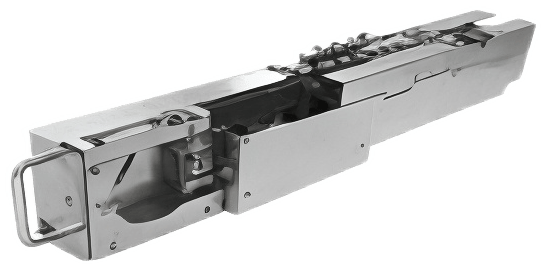
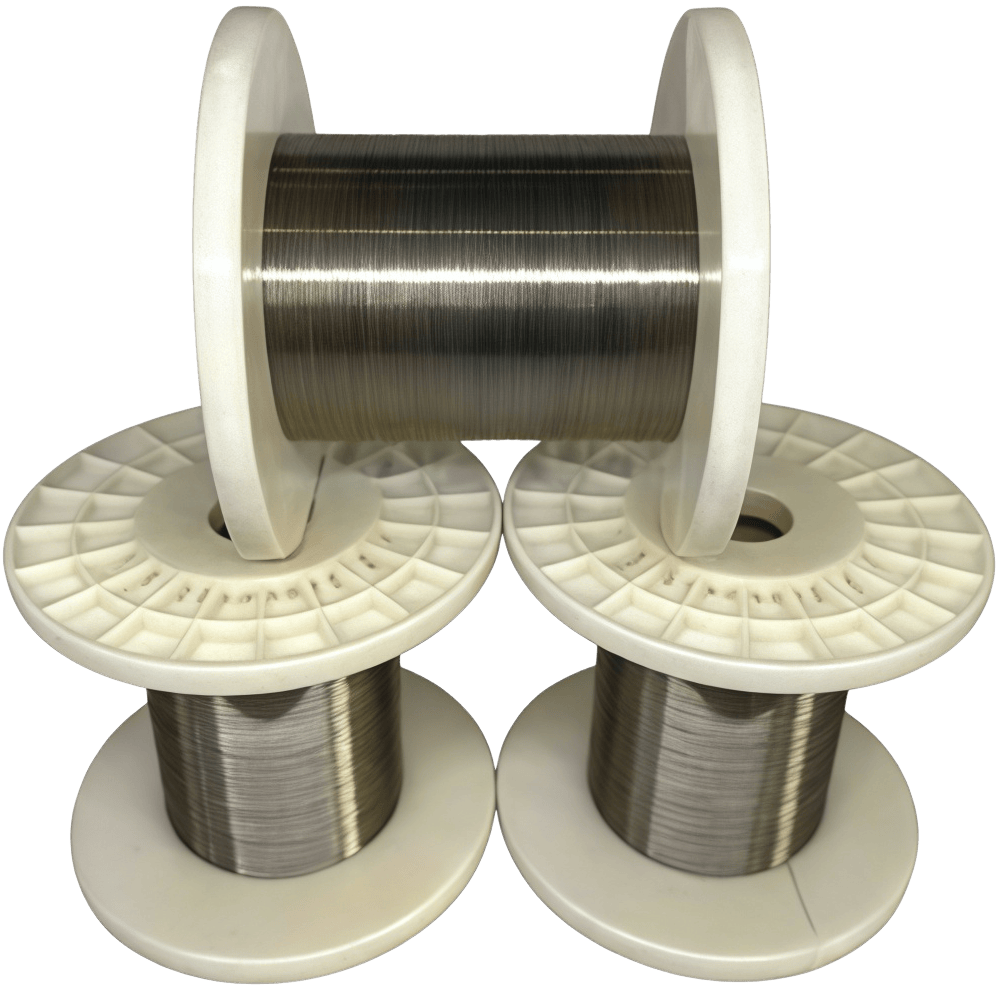
In a smart lighting factory producing Wi-Fi and Bluetooth enabled bulbs, each LED driver board carries a compact wireless module alongside the AC-to-DC conversion circuit, power regulation stage, and LED output channels — all squeezed onto a single small-format PCB. The Alimentador automático de jumpers sits on the SMT line between the solder paste printer and the pick-and-place station, processing jumper positions where signal traces must cross power planes or where the wireless module’s antenna keep-out zone forces routing detours. The machine draws fine-gauge jumper wire from its spool rack, forms each jumper to the exact pad-to-pad span dictated by the board’s tightly packed layout, and inserts the formed wire into position while the surrounding paste deposits remain undisturbed.
The feeder’s narrow-profile insertion head and programmable forming stroke are critical inside the smart bulb assembly environment, where board real estate is severely constrained and adjacent components — chip antennas, electrolytic capacitors, LED solder pads — sit within fractions of a millimeter of jumper landing sites. The machine’s coaxial vision system verifies lead placement against the annular ring before retracting, catching any encroachment on keep-out zones that would degrade RF performance. Its multi-reel magazine holds the varied jumper gauges required across signal, power, and ground domains on the same board, auto-switching per position without operator reach-in.
The Automatic Jumper Feeder’s value in a high-mix smart lighting factory is its ability to make board variety invisible to the production line. The machine absorbs changeover into the normal cycle rhythm, treating every SKU as the next entry in a digital queue rather than a setup event. Its recipe-driven architecture means the feeder never becomes the bottleneck that dictates which products can run back-to-back — the lighting manufacturer schedules production freely, and the feeder follows, delivering consistent jumper placement quality regardless of how many times the board type changes during a shift.
Especificações
| Modelo | YN-J2303 | Observações |
| Dimensões (C × L × A) | 624 × 78 × 160 mm | |
| Peso | 6,5 kg | |
| Operating Voltage | DC 24V | |
| Abastecimento de ar necessário | None | |
| Corrente máxima | 2,5 A | |
| Feed Speed | 1,5 s/unidade | |
| Painel de operação | TFT de 0,96″ Resolução da tela colorida: 80×160 pixels |
|
| Tempo de troca | 3 min | |
| Canal | Canal único | |
| Função de dobra de chumbo | Dobragem | |
| Função pré-elevação | Serviço de transporte antes do evento disponível | |
| Função de corte | Limite | |
| Função de correção | Correção | |
| Diâmetro do fio do material | 0,4–1 mm | Não é possível usar a matriz de conformação de 0,6 mm para conformar um fio de 0,4 mm; Só é possível usar uma matriz de 0,6 mm para fio de 0,6 mm |
| Espaçamento entre trilhos | 5–26 mm (A matriz de conformação depende do diâmetro do fio) Molde em forma de cruz: 3 tamanhos em um conjunto (grande/médio/pequeno) |
Não é possível usar a matriz de conformação de 16 mm para o passo de trilho de 16 mm; É necessário usar uma matriz de 16 mm de comprimento |
| Comprimento da ponta de conformação | 2,0 a 5,5 mm | Dentro dessa faixa, só é possível obter comprimentos diferentes utilizando diferentes matrizes de conformação de tamanhos correspondentes |
https://www.youtube.com/@allaismt
For more information about the Alimentador automático de jumpers, Por favor, envie um e-mail para
Responderemos à sua solicitação prontamente e forneceremos informações detalhadas sobre nossos produtos e serviços.