

Wstęp
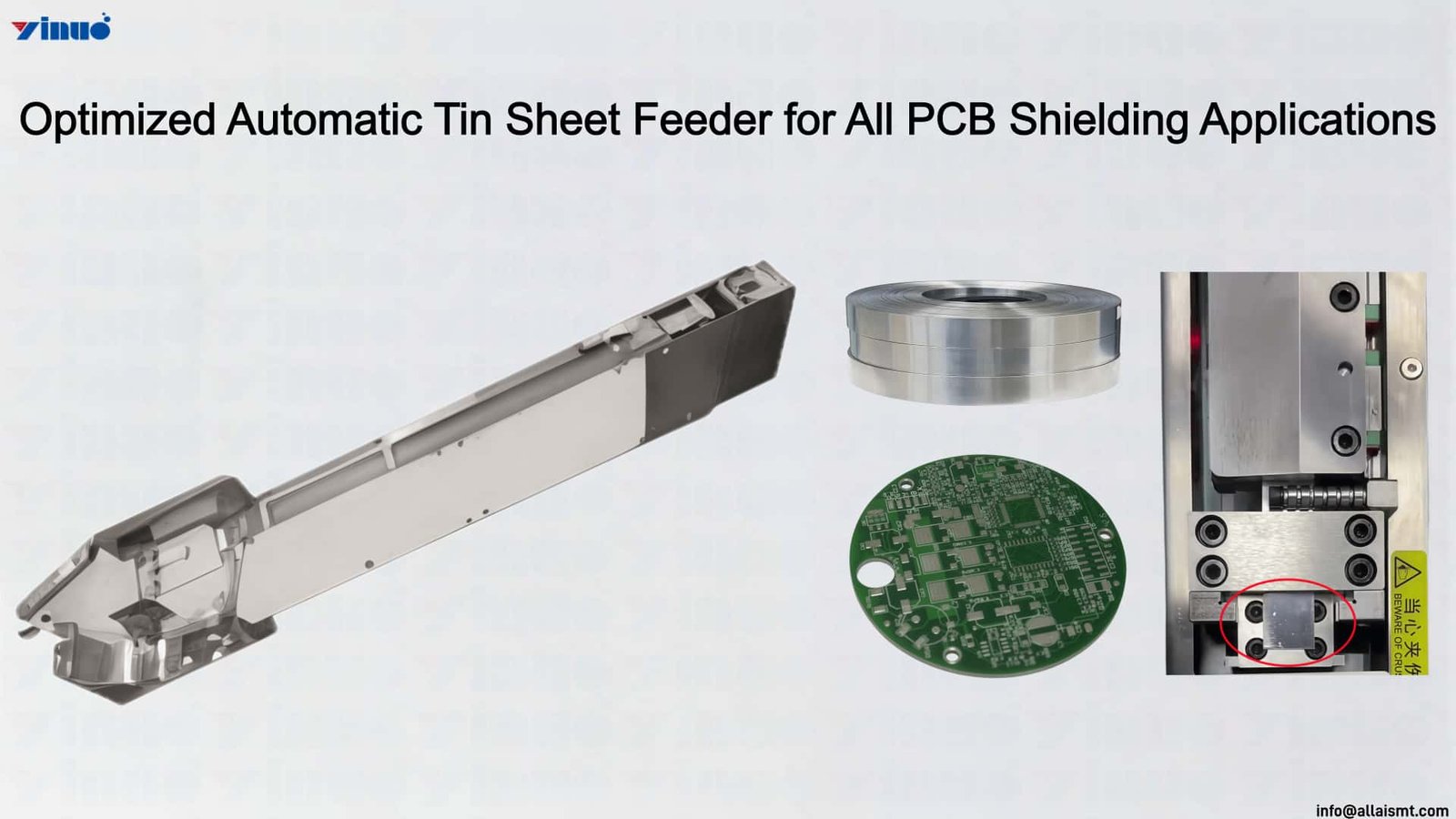
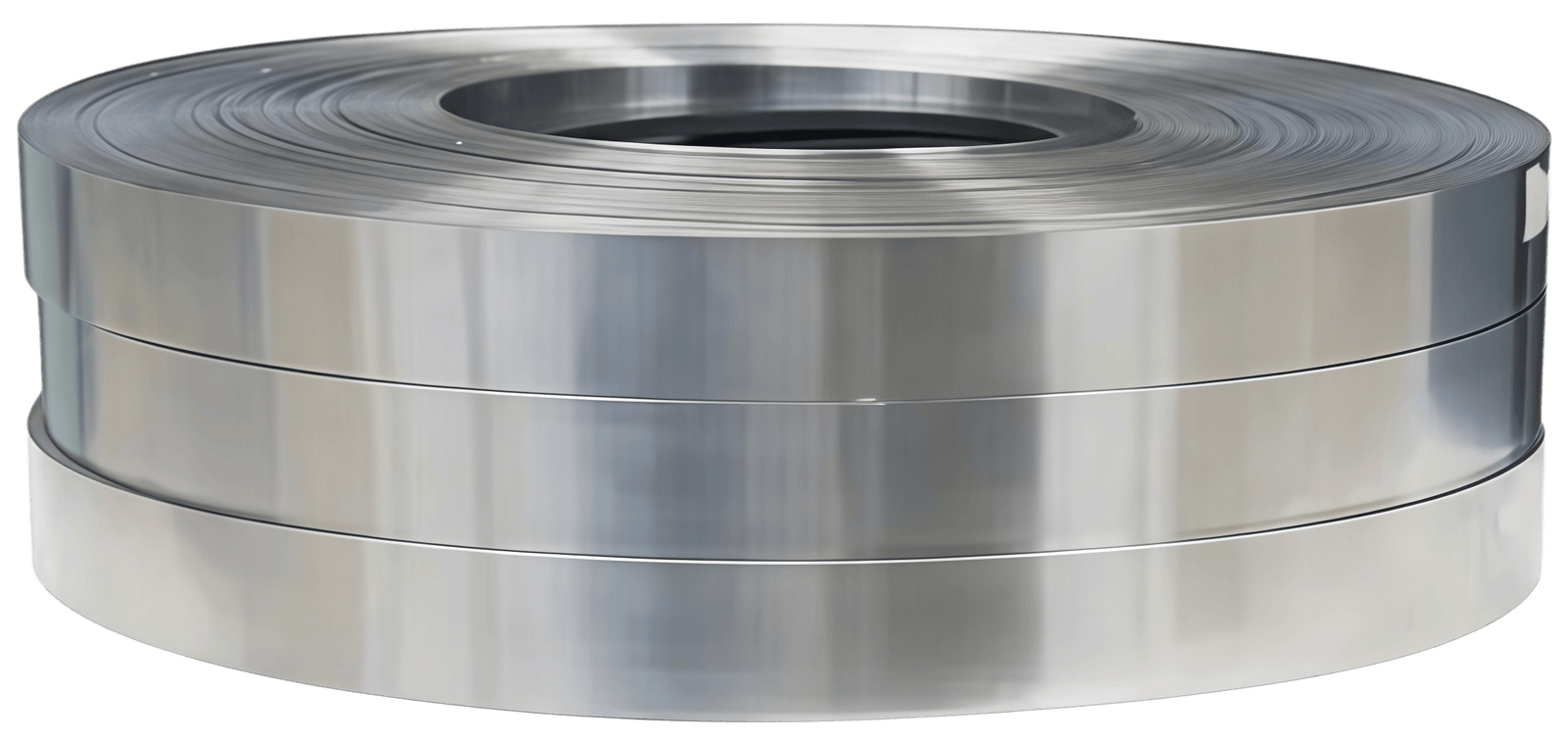
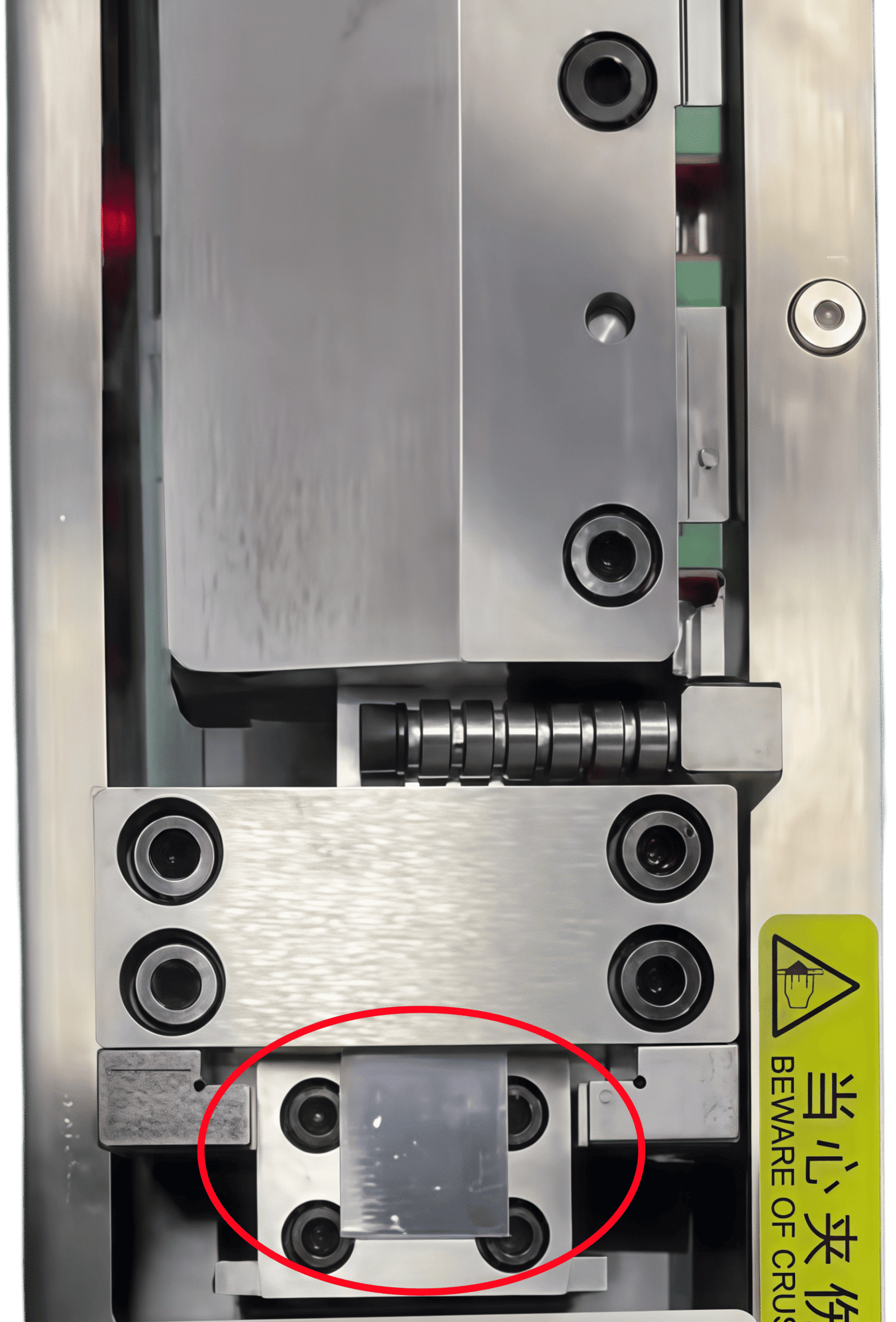
In the fast-evolving world of surface mount technology, the Automatyczny podajnik blachy serves as the enabling bridge between coiled tin strip stock and the sophisticated placement equipment that defines modern PCB assembly. By continuously delivering precisely metered tin sheets to pick-and-place machines, labeling systems, and other specialized SMT apparatus, the feeder allows manufacturers to attach functional tin structures directly onto PCB boards. The result is a new dimension of production flexibility—shielding layers, heat-spreading elements, and reinforcement features that diversify output and expand the functional repertoire of every assembly line.
Performance-wise, the feeder is engineered for uninterrupted synchronization with placement equipment. Its servo-indexed feeding mechanism maintains exact sheet pitch, ensuring every delivery aligns flawlessly with pick-up coordinates. Adaptive tension control accommodates coil variations, while contact-free separation and anti-static transport protect both the tin material and sensitive PCB surfaces from contamination and micro-damage. Built-in sensors detect material depletion and feeding anomalies in real time, triggering seamless alerts that keep production flowing without operator intervention.
Beyond placement machines, the same platform extends to automatic tin sheet and tin wire cutting-and-feeding duties, where integrated blade systems trim material to specification on the fly. When coupled with robotic arms, the feeder completes a fully automated work cell that replaces repetitive manual handling—lifting output consistency, eliminating operator fatigue, and reducing human error. From SMT diversification to robotic-led automation, the Automatic Tin Sheet Feeder transforms material logistics into a precise, repeatable, and scalable competitive advantage.
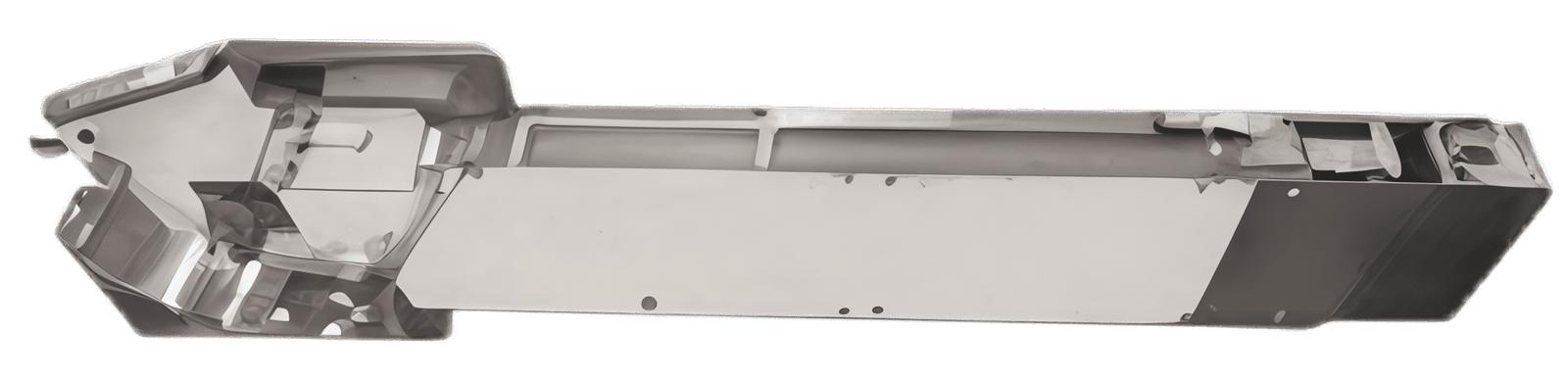
Podajnik blachy cynowej
Stability Under Speed: The Tin Sheet Feeder in Smartphone Factories
Smartphone factories thrive on high-mix, high-volume production, and the Automatyczny podajnik blachy is engineered precisely for that rhythm. Installed at the infeed of SMT placement and labeling stations, it supplies the tin sheets used for shielding, soldering preforms, and conductive features across multiple phone models, feeding each line with the exact format its board design requires. Because the feeder integrates through standardized interfaces, automation engineers can drop it into existing lines with minimal modification—shortening automation design cycles and allowing new handset production lines to reach full operation faster.
Stability is where the feeder earns its place on the factory floor. A rigid steel frame dampens vibration from adjacent reflow ovens and placement heads, while precision-ground rails and hardened rollers deliver repeatable feeding over millions of cycles. Closed-loop servo control compensates for line-speed fluctuations in real time, holding sheet pitch within tolerance even as upstream equipment varies. The measurable outcome is higher overall equipment effectiveness—fewer jams, less material waste, and consistent cycle times that protect the tightly scheduled windows of smartphone production.
Yet the feeder’s contribution does not end at the placement station. It also powers automatic cutting and delivery of tin sheets and tin wire for shielding-can soldering and selective reflow processes, trimming material to preset lengths with burr-free edges before forwarding each segment downstream. The factory thus consolidates several manual material-handling tasks into one synchronized, programmable station—reducing labor, improving yield consistency, and giving engineers a dependable building block for scaling production across generations of smartphone platforms.
Specyfikacje
| Model | YN-S2402 | Uwagi |
| Wymiary (dł. × szer. × wys.) | 878 × 55 × 233 mm | |
| Waga | 8,5 kg | |
| Operating Voltage | 42 V DC (1,5–2,5 A) | Obsługiwane przez maszynę do rozmieszczania |
| Wymagane zasilanie powietrzem | 0,5–0,6 MPa | Powietrze dostarczane z maszyny do układania |
| Operating Current | Mniej niż 1,5 A przy zasilaniu | |
| Feed Speed | 0,6 s/szt. | Czas cięcia ≥2 s |
| Operation Panel | 0,96″ TFT Rozdzielczość kolorowego ekranu: 80×160 pikseli |
|
| Długość podawania | 2.2~18 mm | Możliwość dostosowania, precyzyjna regulacja w zakresie ±0,1 mm |
| Grubość wyprowadzenia lutowniczego | 0,05–0,3 mm | Możliwość dostosowania, bez regulacji |
| Szerokość wyprowadzenia lutowniczego | 2 × 12,1 mm | Możliwość dostosowania, bez regulacji |
| Materiał wyprowadzeń lutowniczych | SnAg₃Cu₀,₅ | Ma wpływ zarówno na cięcie, jak i na formowanie |
| Feed Method | Mocowane mechanicznie |
https://www.youtube.com/@allaismt
For more information about the Automatyczny podajnik blachy, proszę wysłać e-mail na adres
Szybko odpowiemy na Twoje zapytanie i udzielimy Ci szczegółowych informacji o naszych produktach i usługach.