
導入
その 自動ベルトフィーダー conveys bulk components such as connectors and switches toward the placement machine with handling motion that leaves component bodies untouched. Sorting and transfer stages move each part along controlled paths, and the pickup position receives components in sound condition, ready for automated insertion. Sensitive elements survive the entire transport sequence without impact, so odd-form and through-hole parts arrive at the placement head exactly as they entered the unit.
The unit’s feeding pattern adapts to the shape variety of these components. Odd-form parts with irregular outlines and through-hole parts with long leads follow the same sorting logic, with the recirculation path returning any component that fails orientation for another attempt. Accepted parts continue to the pickup position through belt transfer with linear vibration, and flexible feeding keeps the supply steady regardless of the mix of component types running through the line.
This platform flexibility supports factories operating mixed equipment fleets. Production planners assign any feeder to any line and rely on identical performance, and line expansions onto new mounter brands inherit the same feeding behavior without additional investment in supply equipment. Compact dimensions and low-noise operation let the unit serve densely arranged banks across the factory, while gentle handling keeps sensitive components protected on every platform. Multi-brand feeding, adjustable delivery pace, and rapid changeover characterize the feeder’s role in heterogeneous production environments.
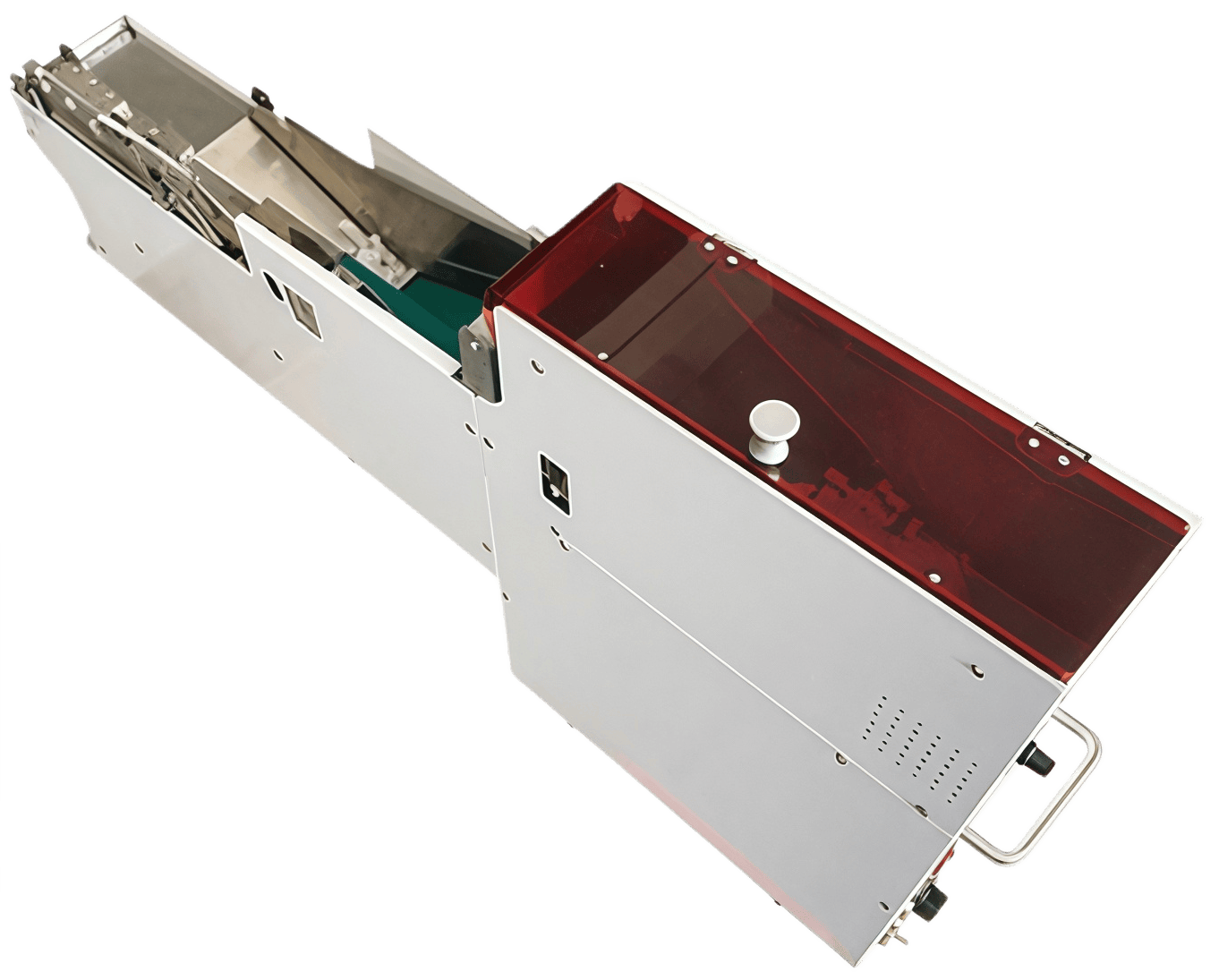
自動ベルトフィーダー
Model Agnostic Automatic Belt Feeder Transports Shared Parts On Any Smart Home Line
その 自動ベルトフィーダー feeds bulk components that repeat across smart home product families, so one unit supports the connectors, switches, and terminal blocks shared by lighting controllers, thermostats, security hardware, and appliance control boards. The same sorting and transfer sequence serves parts that appear in multiple product lines, reducing the variety of supply arrangements a factory must maintain. Material handling becomes consistent across the entire smart home range.
The feeding behavior stays identical regardless of which product family draws from it. Sorting track orientation, recirculation of misaligned parts, and belt transfer with linear vibration run with the same settings when the line switches from a thermostat batch to a security panel batch, so operators do not retune the unit between product changes. Flexible feeding covers the component types these products share, and adjustable delivery speed matches the consumption pace of whichever board is being assembled.
This commonality simplifies material planning in smart home production. One feeding setup replaces multiple dedicated supply arrangements, and the same feeder moves between lighting, speaker, and appliance lines without setup differences. Compact dimensions let the unit sit in existing feeder banks beside the placement machine, low-noise operation suits working areas shared by assembly staff, and compatibility with multiple placement machine brands carries the same shared-component feeding across every platform in the factory. Common-part feeding, uniform setup across families, and simplified supply planning define the unit’s role in smart home electronics production.
仕様
| モデル | YN-B2401 |
| 外形寸法(長さ×幅×高さ) | 866×135×303mm |
| 重さ | 22kg |
| Operating Voltage | AC 220V |
| 現在 | 3A |
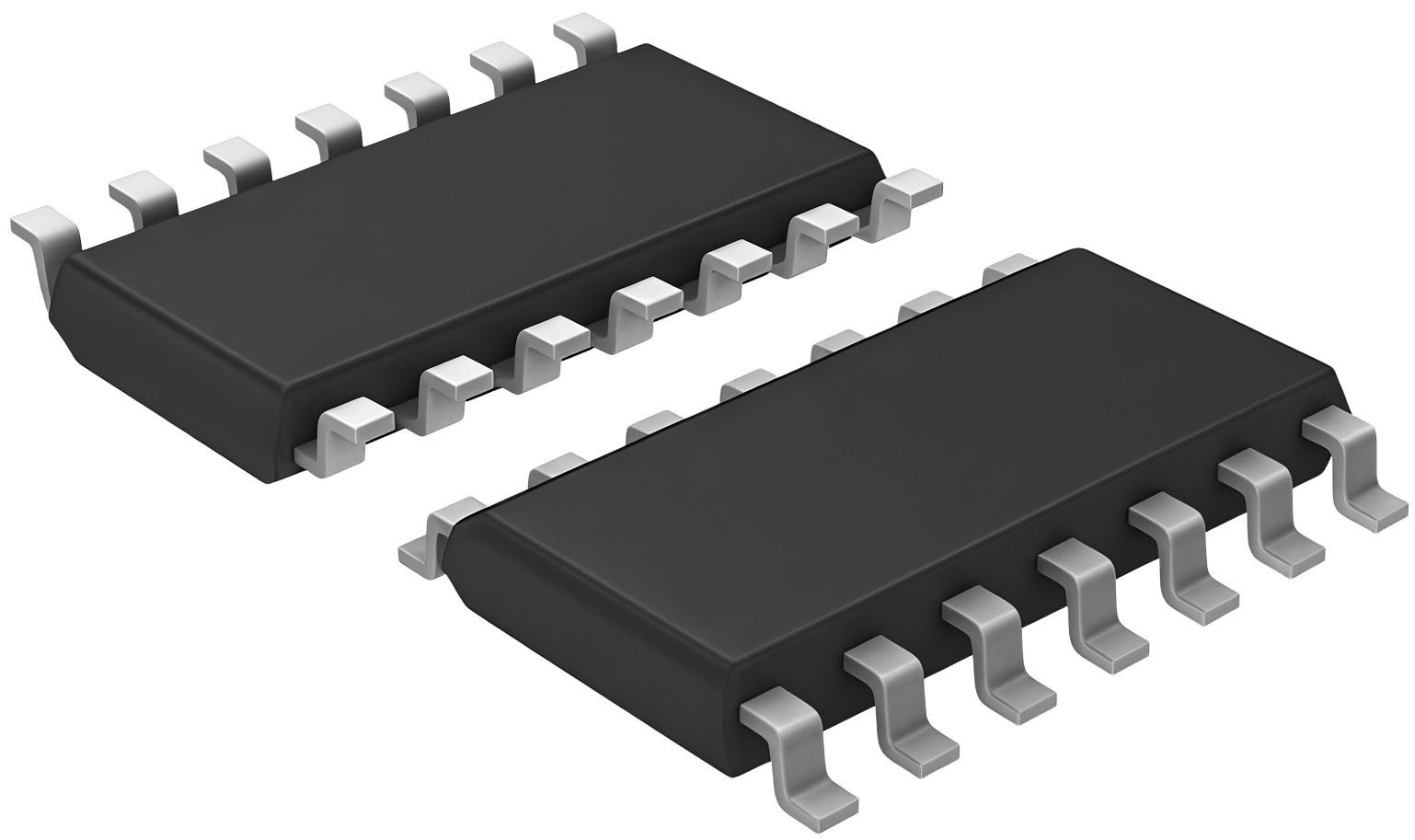
| 対象コンポーネントの範囲 | 3~8ピン |
| カスタマイズ | フィーダーは、材料に応じてカスタマイズ可能です |
https://www.youtube.com/@allaismt
For more information about the 自動ベルトフィーダー, 、メールをお送りください
お問い合わせには速やかに対応し、弊社製品およびサービスに関する詳しい情報を提供させていただきます。.