

Bevezetés
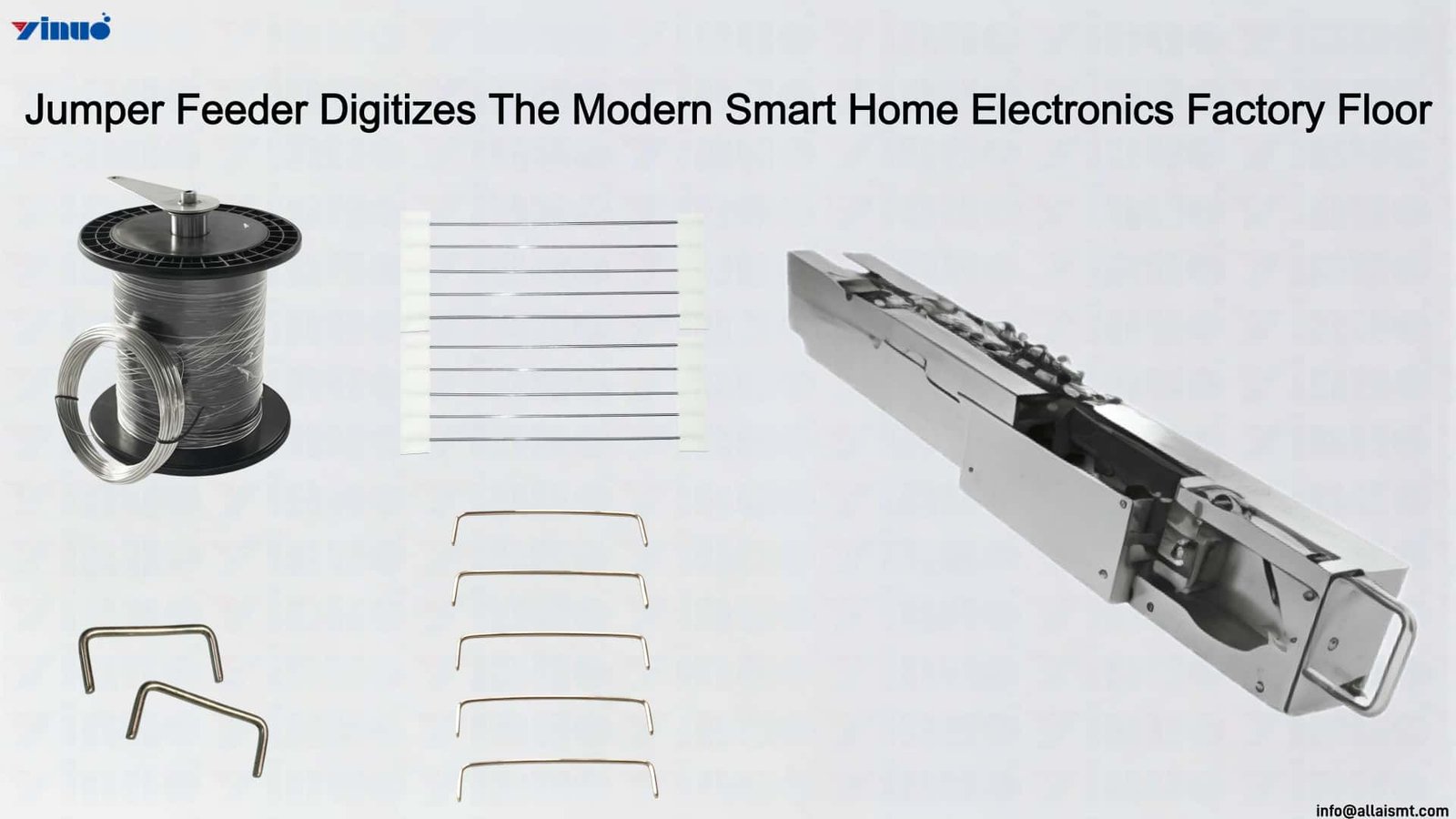
A Jumper-tápláló embeds adaptive intelligence directly at the component supply layer, creating a feed system that learns and refines its own behavior over time. An onboard processor continuously analyzes the feed cadence and component characteristics specific to its station, autonomously tuning push-stroke profiles and peel-angle dynamics to maximize pickup reliability. The feeder communicates natively with factory execution systems via open industrial protocols, streaming a live digital thread that captures every jumper’s supply timestamp, batch provenance, and orientation data — building end-to-end traceability from raw component to finished assembly without adding operator steps.
The refined handling of jumper components becomes possible when intelligent feeding pushes past traditional mechanical limits. The Jumper Feeder employs a micro-oscillation assist that uses piezoelectric actuation to create a near-frictionless glide film along the feed channel, letting micro-jumpers travel to the pickup point with practically zero surface contact. This eliminates the twin enemies of miniature component feeding — triboelectric charge buildup and mechanical scuffing — while a laser-ranging closed-loop position monitor confirms arrival accuracy at levels once unattainable for components this small.
The Jumper Feeder is shifting SMT and through-hole manufacturing from reactive operation toward predictive, data-informed production. Historical feed data, analyzed at the cloud edge, generates prescriptive maintenance schedules that flag wear trends before they trigger unplanned downtime. In high-mix, low-volume flexible manufacturing environments, feed parameters switch automatically with the work order, collapsing changeover from minutes to moments. Whether deployed in the dense, fast-paced world of consumer-electronics SMT lines or the rugged mixed-technology environment of automotive through-hole assembly, the Jumper Feeder delivers the self-adjusting supply capability that Industry 4.0 manufacturing demands at its foundation.
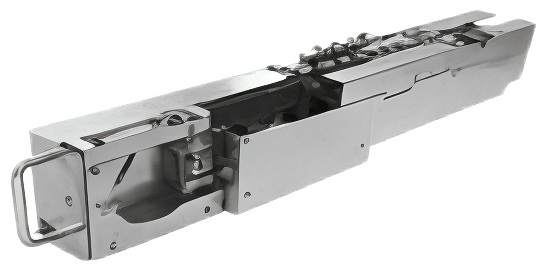
Adaptive Jumper Feeding for the High-Mix Smart Home Factory
Smart home electronics manufacturing operates at a relentless cadence — product lifecycles are short, design revisions are frequent, and production lines pivot between wildly different board layouts on a daily basis. The Jumper-tápláló thrives in this environment precisely because it was engineered for adaptability. Its modular feed architecture accepts the full spectrum of jumper tape formats without requiring specialized tooling, so when a factory shifts from producing smart plugs in the morning to smart camera modules in the afternoon, the feeder keeps pace without missing a beat. The redundant dual-motor drive mechanism ensures that even during peak production windows — when every second of uptime counts — a single motor anomaly never halts the line.
The way the Jumper-tápláló handles jumper components directly addresses the quality demands unique to smart home products. These devices live in kitchens, bathrooms, nurseries, and outdoor environments, where temperature swings, humidity, and vibration are facts of life. Every solder joint must be flawless, and that starts with flawless component delivery. The feeder’s multi-angle vision posture-verification system inspects every jumper before release, automatically diverting misoriented pieces without breaking the feed rhythm. Its active environmental compensation module neutralizes the humidity fluctuations that cause carrier-tape adhesion drift — a subtle but devastating source of pickup failures that conventional feeders simply cannot mitigate.
What ultimately sets the Jumper Feeder apart in the smart home sector is its dual-role capability across mixed SMT and through-hole lines. Many smart home products — particularly power-intensive devices like smart dimmers, motorized blinds controllers, and HVAC interface modules — still rely on single-sided board layouts that require through-hole jumper bridges. Rather than maintaining separate feeding systems for SMT and THT operations, factories deploy the Jumper Feeder as a unified supply platform that adapts to both environments with minimal reconfiguration. The result is a streamlined production floor with fewer feeder variants to manage, less operator training overhead, and a consolidated maintenance workflow that keeps smart home lines running lean and responsive.
Specifikációk
| Modell | YN-J2303 | Remarks |
| Méretek (H×Sz×M) | 624×78×160mm | |
| Súly | 6.5KG | |
| Operating Voltage | DC 24V | |
| Szükséges levegőellátás | None | |
| Maximális áramerősség | 2.5A | |
| Feed Speed | 1.5s/Pcs | |
| Operation Panel | 0.96″ TFT Color Screen Resolution: 80×160 pixels |
|
| Changeover Time | 3min | |
| Csatorna | Egycsatornás | |
| Ólomhajlítási funkció | Bending | |
| Emelés előtti funkció | Pre-lift available | |
| Kivágási függvény | Cut-off | |
| Correction Function | Correction | |
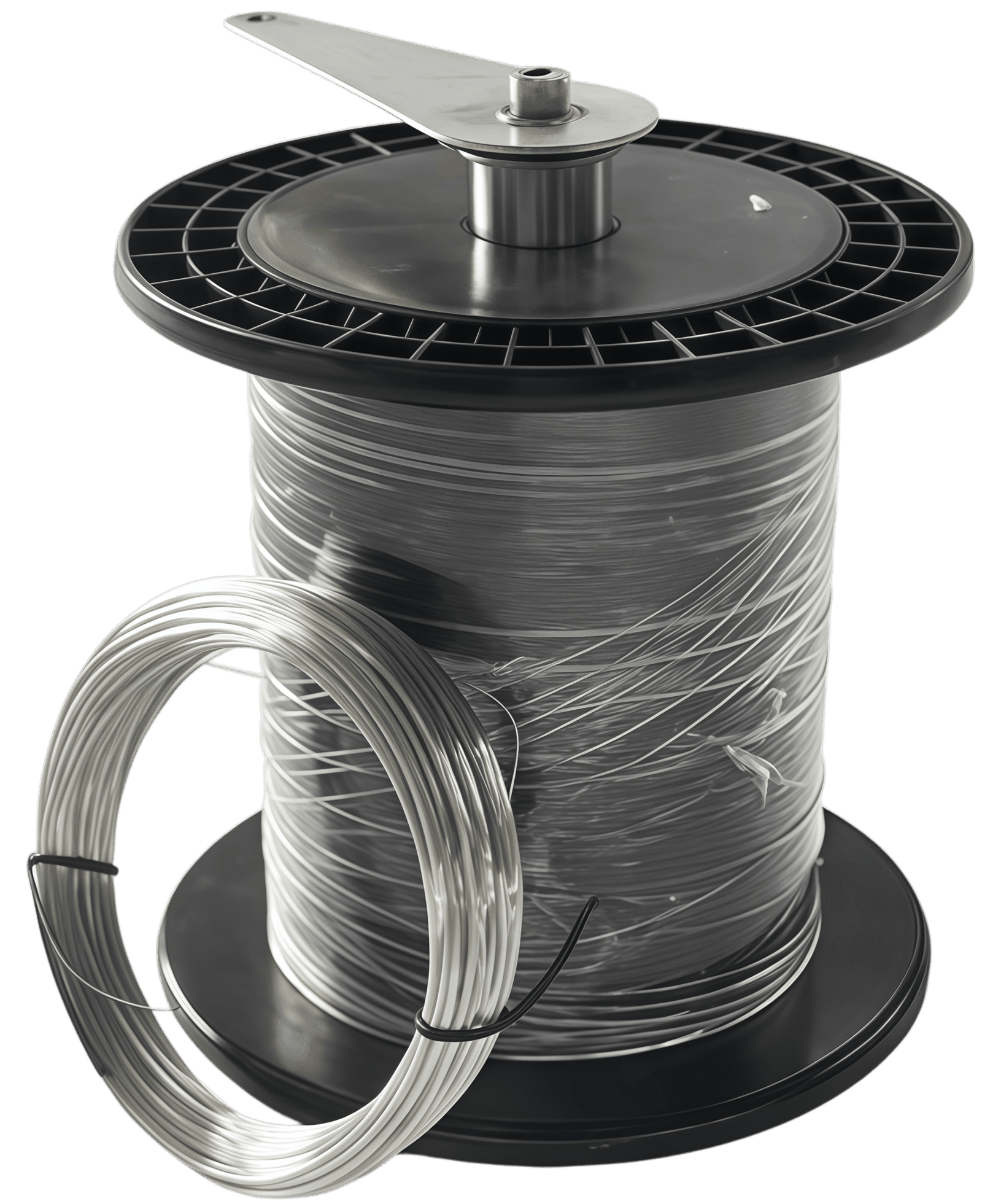
| Material Wire Diameter | 0.4–1mm | Cannot use 0.6mm forming die to form 0.4mm wire; Can only use 0.6mm die for 0.6mm wire |
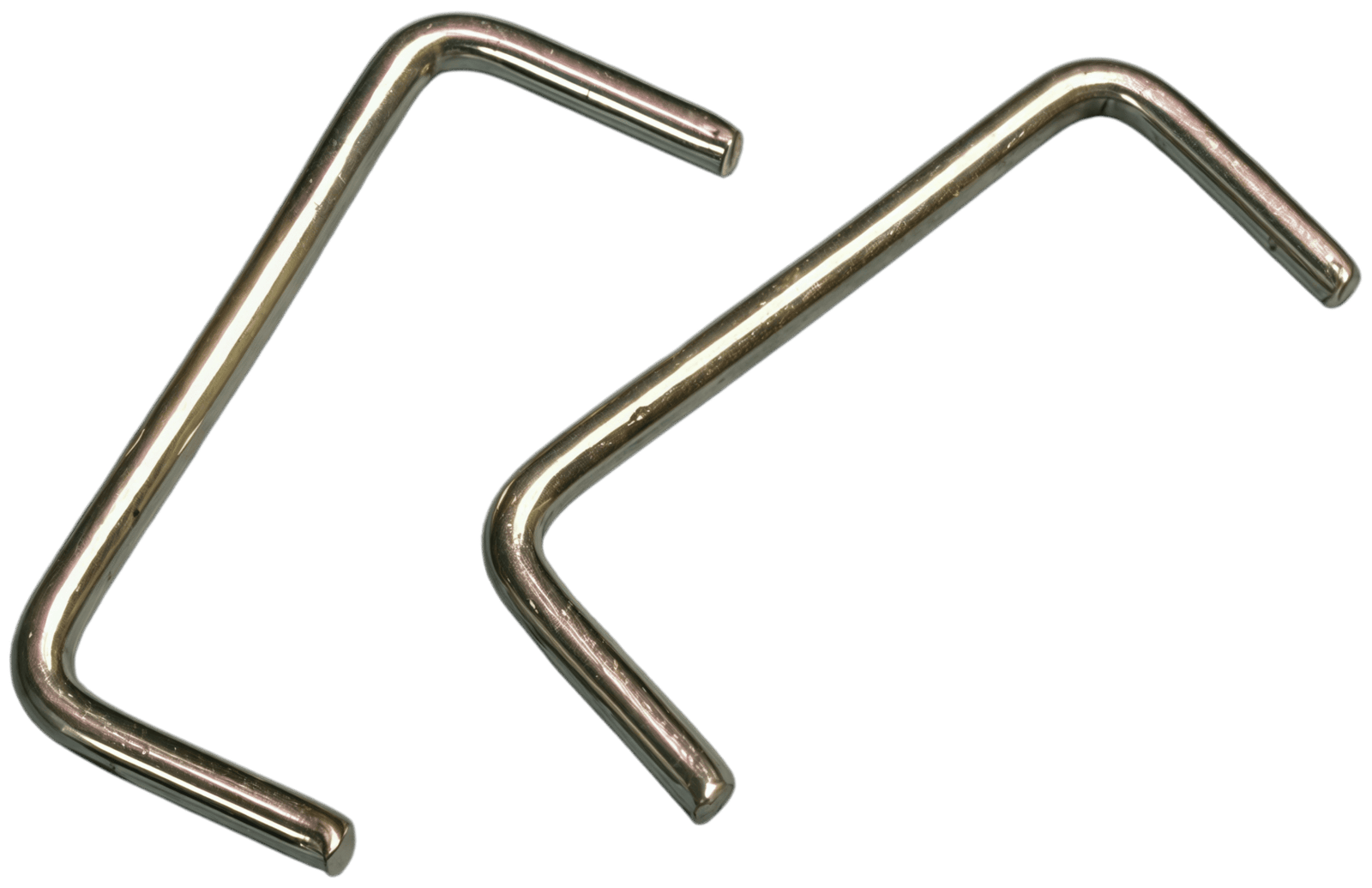
| Track Pitch | 5–26mm (Forming die depends on wire diameter) Cross-shaped die: 3 sizes in one set (large/medium/small) |
Cannot use 16mm forming die for 16mm track pitch; Must use 16mm length die |
| Forming Lead Length | 2.0~5.5mm | Within this range, different lengths can only be achieved by using different forming dies of corresponding sizes. |

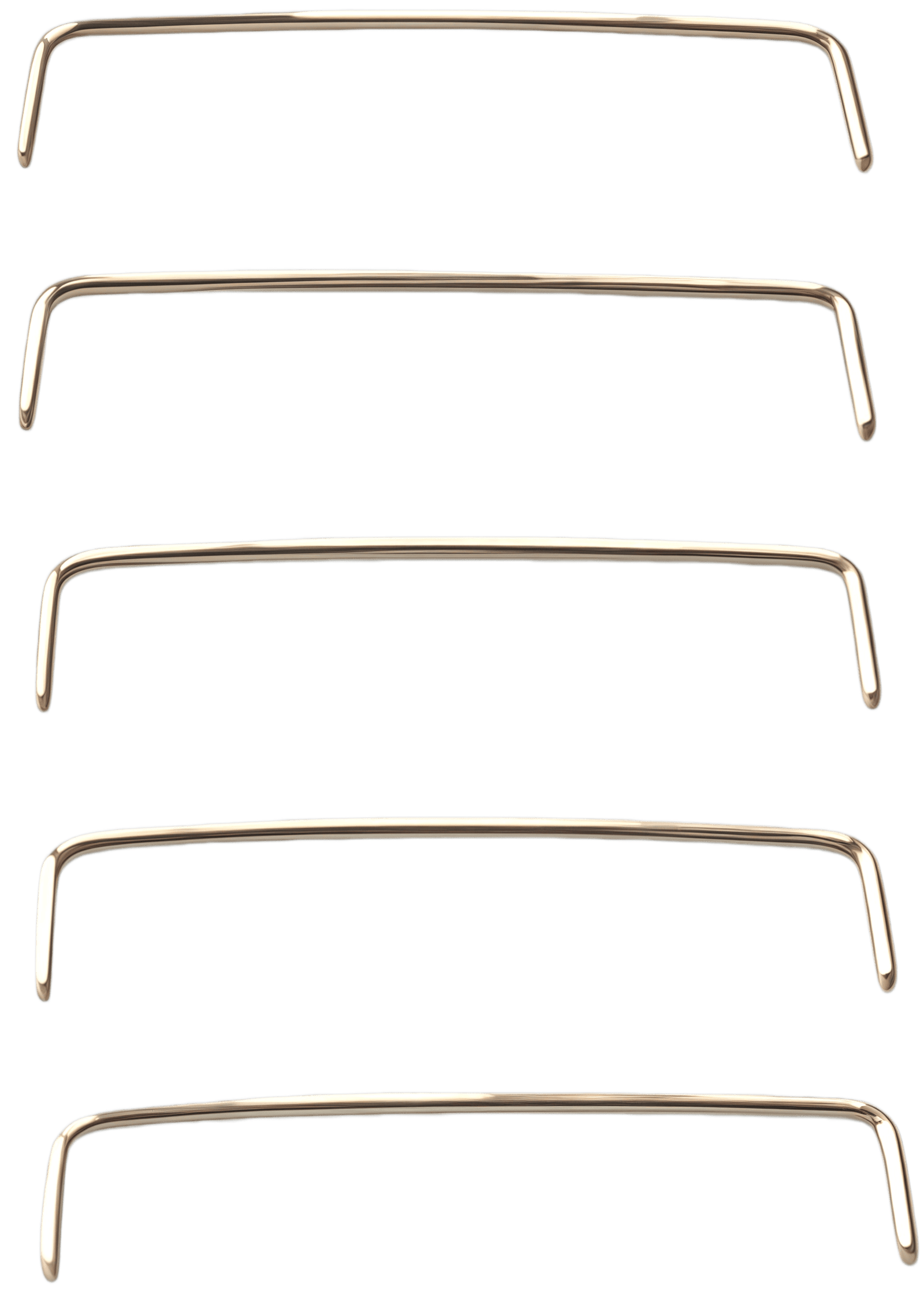
https://www.youtube.com/@allaismt
For more information about the Jumper-tápláló, kérjük, küldjön egy e-mailt a következő címre:
Megkeresésére haladéktalanul válaszolunk, és részletes tájékoztatást nyújtunk termékeinkről és szolgáltatásainkról.